+256 709 780 625 WhatsApp
Dusk 2 Dawn Explorers Co. Limited Free quote in 24 hoursPlan my safari
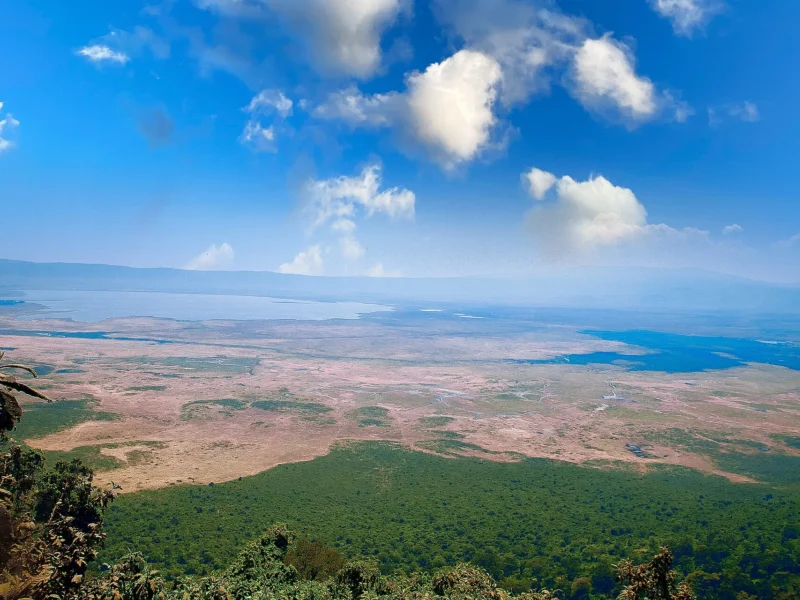
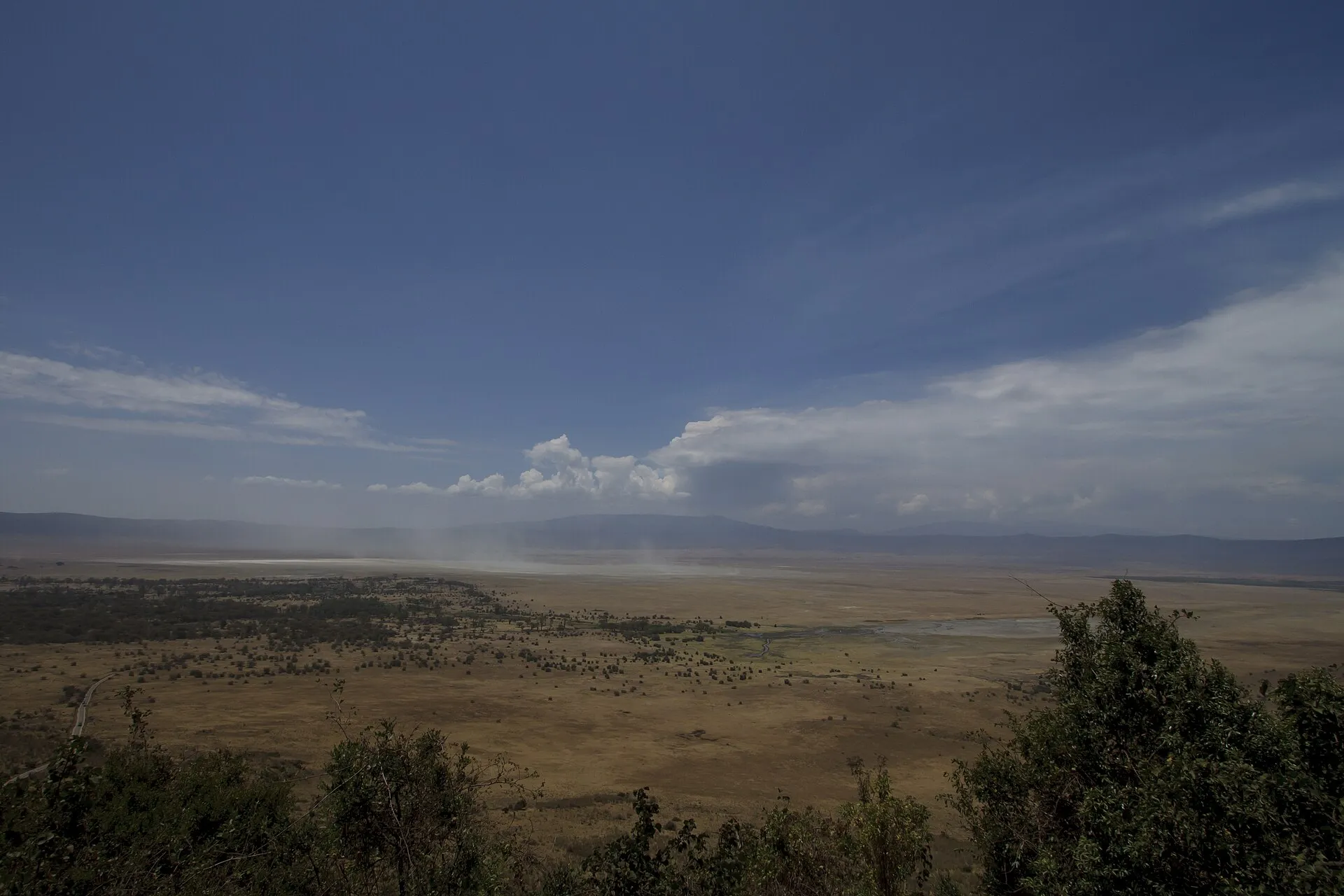
View from the rim across the floor of the Ngorongoro Crater
Tanzania · Area guide

Ngorongoro, Africa’s Eden

The world’s largest intact volcanic caldera, a 260 km² bowl ringed by 600-metre walls, with one of the densest concentrations of wildlife in Africa.

Crater floorAbout 260 km²
Crater wallsAbout 600 m high
StatusUNESCO World Heritage Site
Crater feeUS$295 per vehicle per descent
Overview

Why the Ngorongoro Crater?

Quick answer

The Ngorongoro Crater is the centrepiece of Tanzania’s Ngorongoro Conservation Area. The crater floor covers about 260 km², ringed by walls around 600 m high, and holds lions, elephants, buffalo, hippos and one of the best chances to see black rhino in East Africa. Entry is about US$71 per person per day plus US$295 per vehicle for the crater descent. One full day is enough.

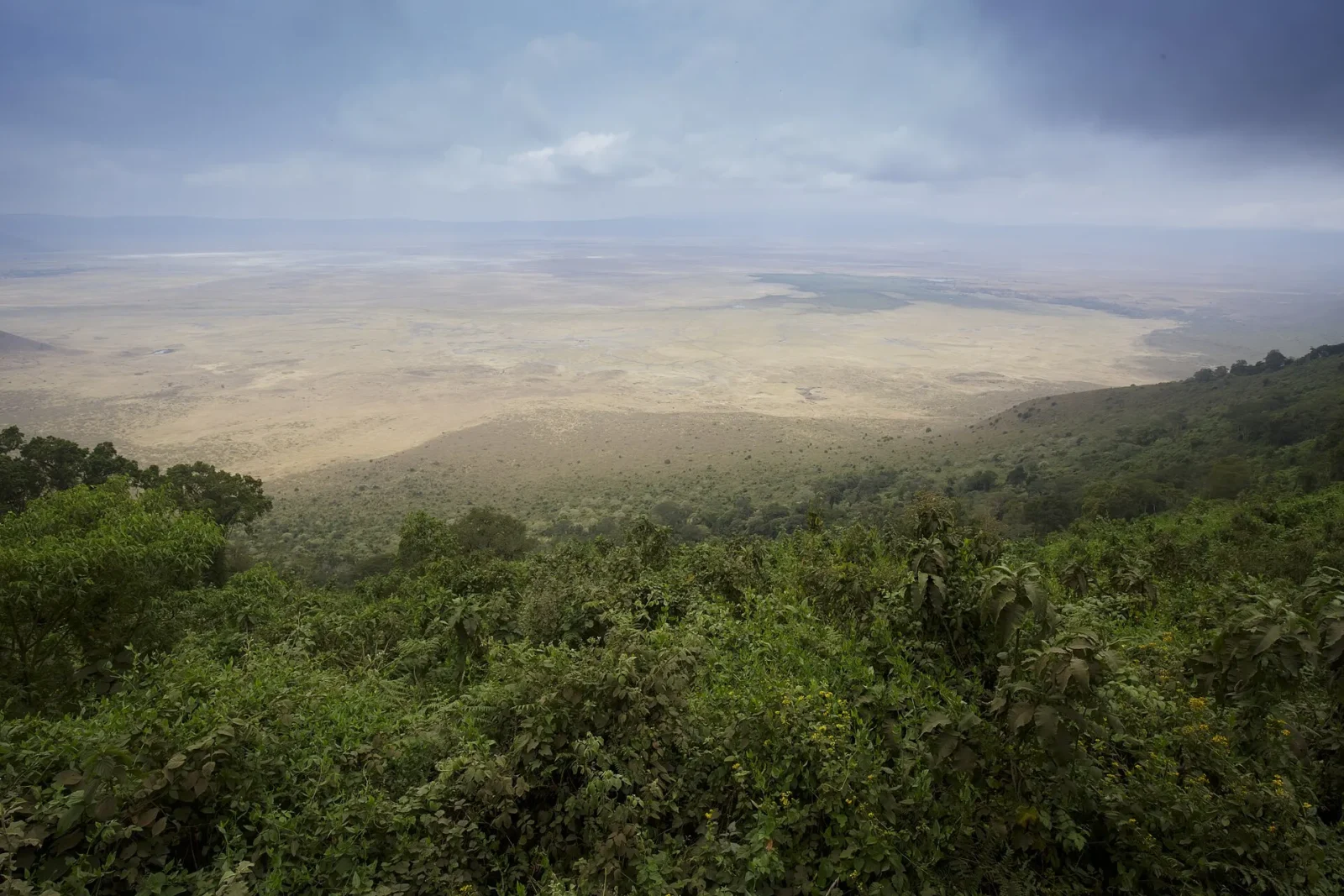
About two to three million years ago, a huge volcano collapsed in on itself, leaving the Ngorongoro Crater: a perfectly enclosed bowl of grassland, swamp, forest and a soda lake. Its walls keep much of the wildlife inside, and permanent springs provide water all year. The result is an extraordinary concentration of animals in a small area.

The crater is part of the Ngorongoro Conservation Area, a UNESCO World Heritage Site where people, livestock and wildlife share the land. Maasai herders live in the highlands around the crater.

The Ngorongoro Crater seen from the forested rim, Tanzania
Talk to a Ngorongoro Crater specialistWhatsApp +256 709 780 625

The Ngorongoro Crater at a glance

QuestionShort answer
Best forDense wildlife and black rhinos, with a chance of the Big Five in one day
Conservation feeAbout US$71 per person per 24 hours
Crater descentUS$295 per vehicle, per descent
Ideal stay1–2 nights on the rim, with a full day on the crater floor
Combine withTarangire, Lake Manyara and the Serengeti

See how much a Tanzania safari costs.

Trips that visit the Ngorongoro Crater

A day on the crater floor

Vehicles descend a steep road from the rim early in the morning. On the floor, you drive between the Lerai Forest of yellow-barked acacias, the Munge stream, the hippo pool at Ngoitokitok springs and the soda lake Magadi, often pink with flamingos. Read a day on the Ngorongoro Crater floor for a full walk-through.
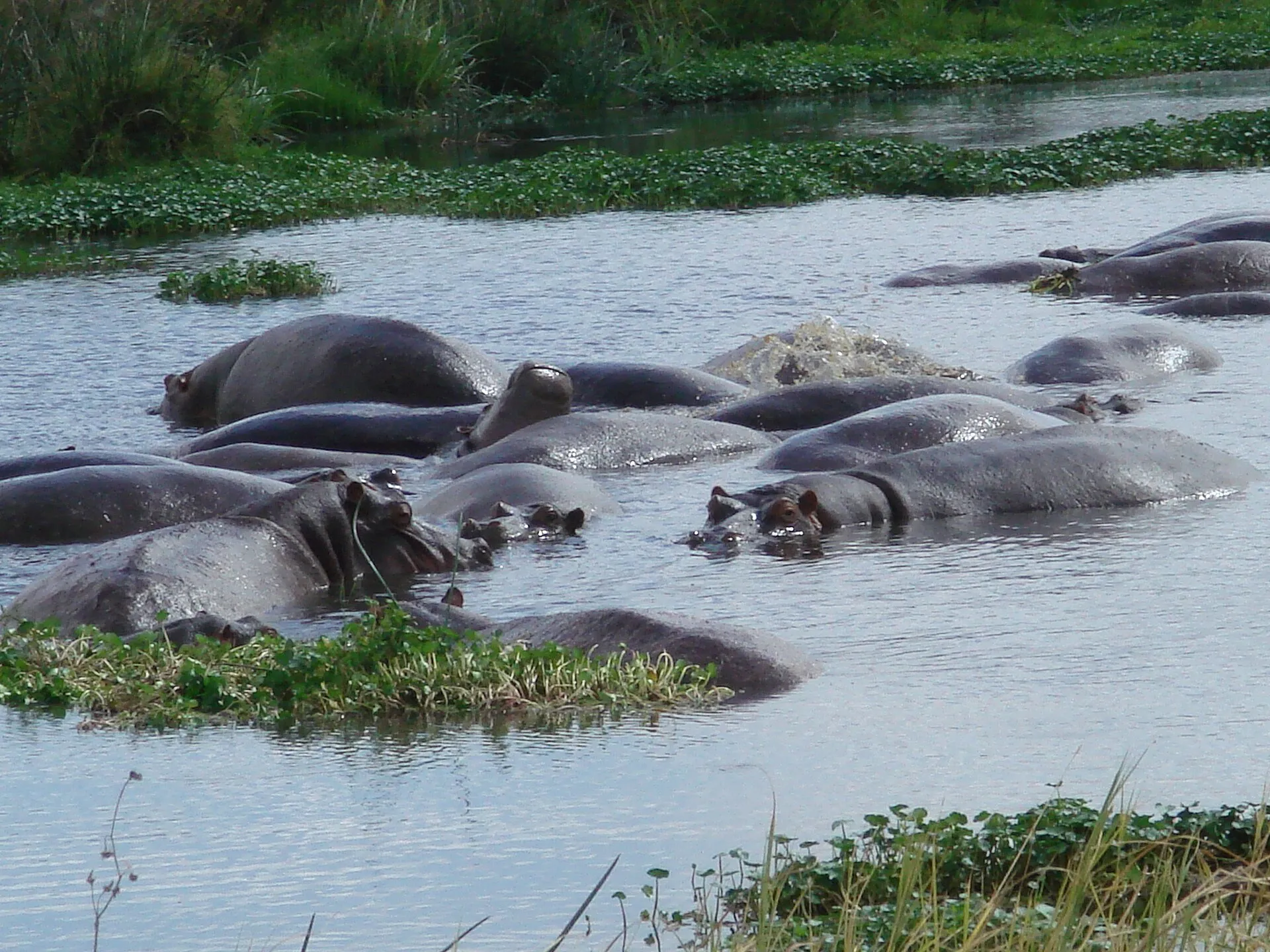
Hippos crowd a pool on the crater floor
Hippos crowd a pool on the crater floor. Photo: Ljhlusko (CC0)

Wildlife

  • Black rhinos: the crater is one of the best places in East Africa to see them. See black rhino in Ngorongoro.
  • Lions and spotted hyenas: abundant, often on a kill.
  • Elephants: mainly large old bulls.
  • Buffalo, zebra, wildebeest, gazelles and hippos.
  • Flamingos on Lake Magadi, and many birds of prey.

Giraffes are absent because there is little browse on the crater floor and the steep walls are hard to cross.

Olduvai Gorge and beyond

On the road to the Serengeti, Olduvai Gorge is one of the world’s most important sites for human origins, with a museum overlooking the gorge. The nearby Empakaai crater, with a lake inside and a steep walk down, is a quieter alternative for active travellers.
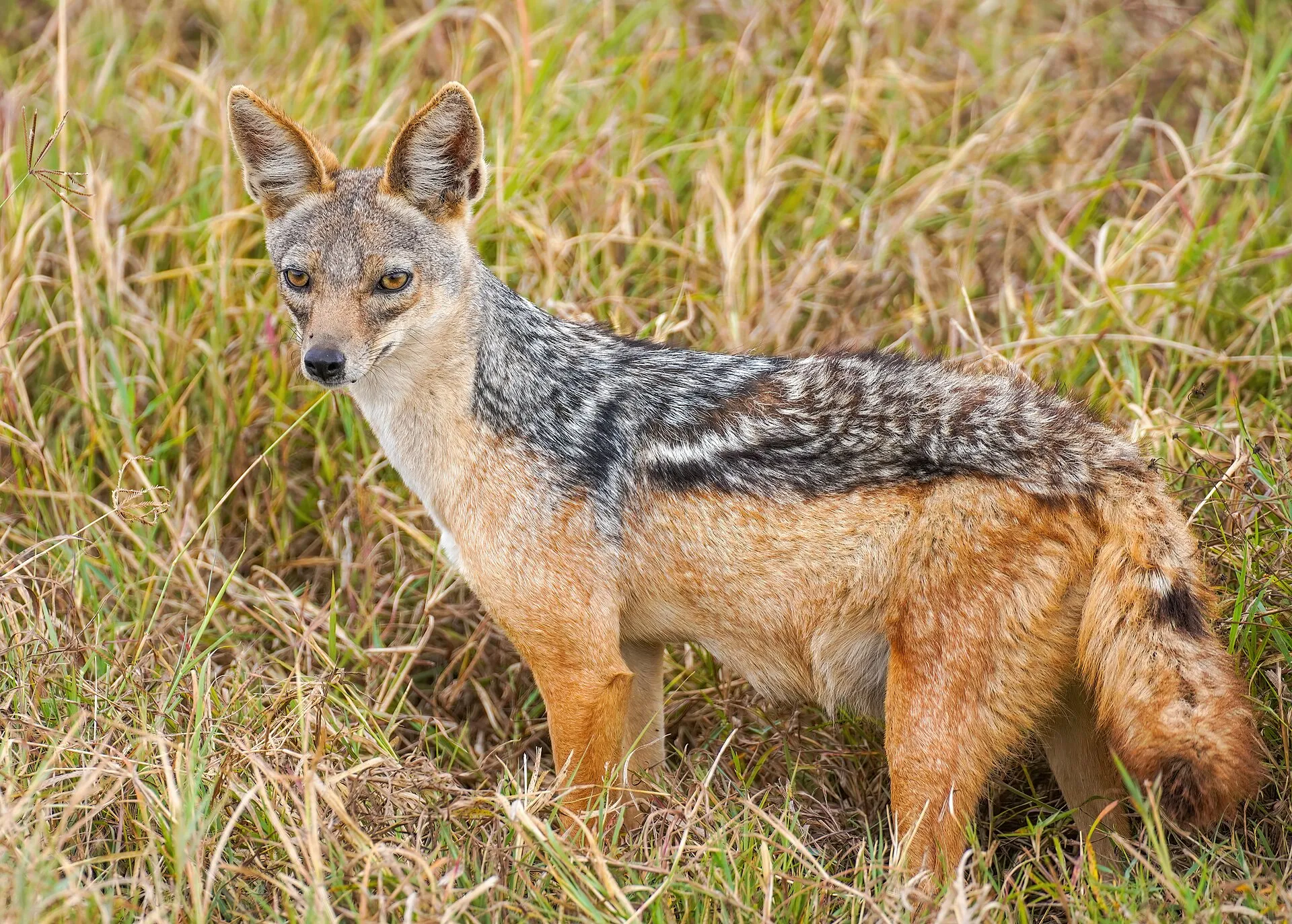
A black-backed jackal on the crater floor
A black-backed jackal on the crater floor. Photo: Giles Laurent (CC BY-SA 4.0)

Fees and practicalities

Conservation Area entry is about US$71 per adult per 24 hours, and each vehicle pays a US$295 crater service fee per descent. Time on the crater floor is limited to about six hours, which encourages early starts. Bring warm layers: the rim is at over 2,200 metres and mornings are cold.

Where to stay

Lodges on the crater rim have spectacular views and the shortest drive to the descent road, so you can be among the first vehicles on the floor. Karatu, about 30–45 minutes from the gate, has many lodges set among coffee farms and gardens, at lower cost and with a warmer climate. Camps near Ndutu, in the south of the Conservation Area, are best for the calving season.

Tips for crater day

  • Be at the gate when it opens for the quietest hours and the best light.
  • Pack a picnic lunch; designated sites such as Ngoitokitok springs are the only places you can leave the vehicle.
  • Beware of black kites at picnic sites, which swoop on food.
  • Dress in layers: it can be cold on the rim at dawn and hot on the crater floor by midday.

The Maasai and the Conservation Area

The Ngorongoro Conservation Area was created in 1959 as a multiple-use area where Maasai pastoralists could continue to live and graze cattle alongside wildlife. Balancing people, livestock and wildlife remains one of the area’s biggest challenges.

Planning your visit

The crater fits naturally between Tarangire and the Serengeti. Our 4-day Serengeti and Ngorongoro safari and 3-day Tarangire and Ngorongoro safari both include a full crater day.
Practical information

Getting to and around Ngorongoro Crater

Full travel essentials
By roadAbout 3–4 hours from Arusha, or 1.5 hours from Tarangire; on the road between Arusha and the Serengeti.
FeesNgorongoro Conservation Area entry about US$71 per adult per 24 hours, plus a crater service fee of US$295 per vehicle per descent.
Time on the floorGame drives on the crater floor are limited to about six hours per day.
Where to stayLodges on the crater rim or in Karatu, about 30–45 minutes from the gate.
When to go

The best time to visit Ngorongoro Crater

The crater has permanent water, so wildlife stays all year. June to October is dry and busy; the green season from November to May is beautiful and quieter. The rim is cold year-round, especially early in the morning, so bring warm layers.

PeakGoodGreen / wet season
Journeys

Ngorongoro Crater itineraries

Use these as a starting point. Every trip is private and adjusted to your dates, budget and pace.

All holidays
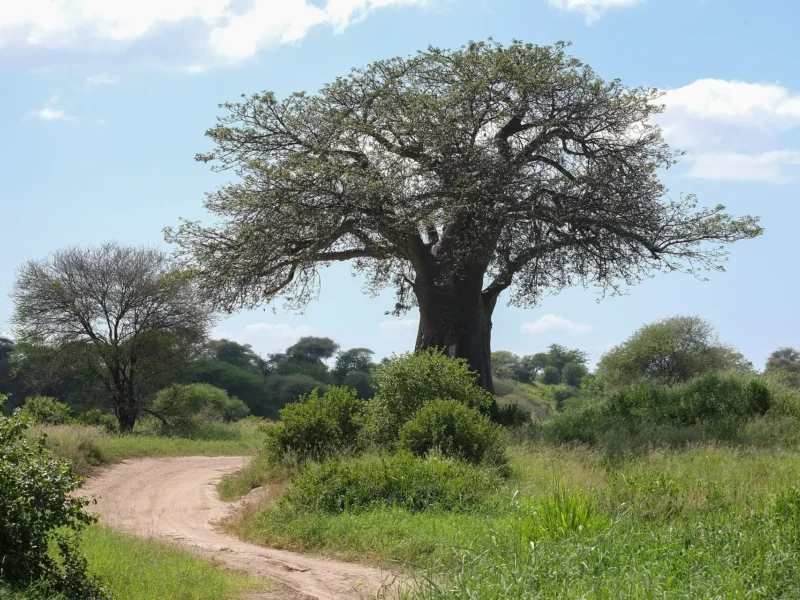
A game-drive track past a baobab in Tarangire National Park, Tanzania Short break 3 days
Tanzania · Northern Circuit

3-Day Tarangire & Ngorongoro Safari

Tanzania’s two best short-safari parks: elephants among ancient baobabs in Tarangire and a full day on the floor of the Ngorongoro Crater, home to lions, buffalo and black rhinos.

  • Elephants
  • Crater
  • Big Five
Tailor-madePrice on request
See the plan →
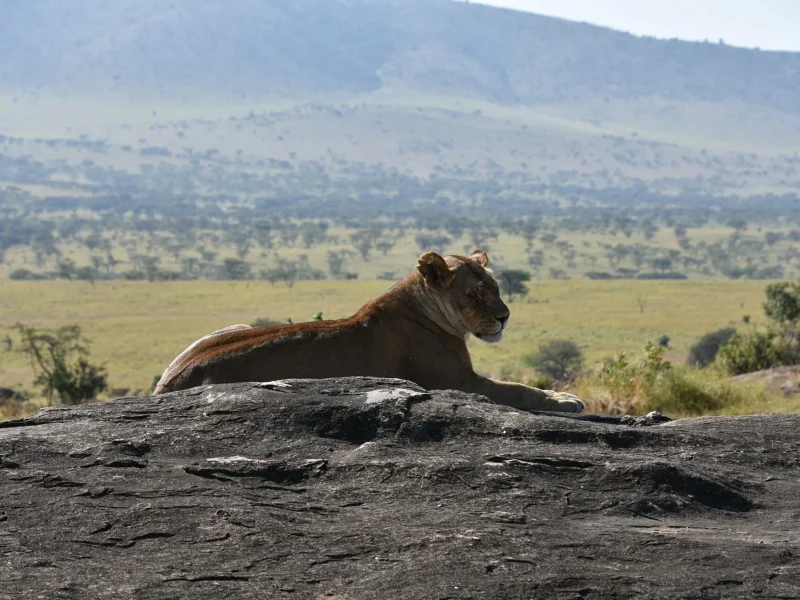
Lioness resting on top of a granite kopje in the Serengeti Popular 4 days
Tanzania · Northern Circuit

4-Day Serengeti & Ngorongoro Safari

The essential Tanzania safari in four days: drive through the Ngorongoro highlands to the endless plains of the Serengeti, then finish with a day in the Ngorongoro Crater.

  • Big cats
  • Migration
  • Crater
Tailor-madePrice on request
See the plan →
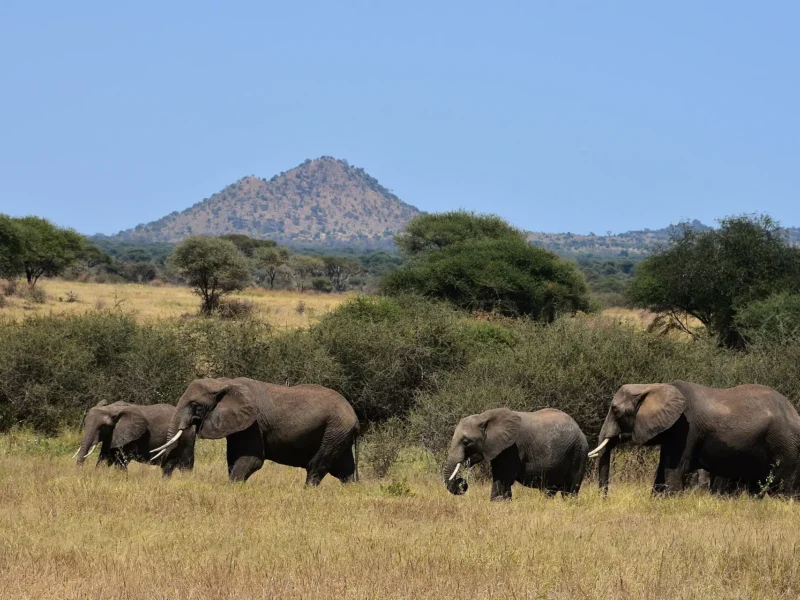
Elephants walking in line beneath a rocky hill in Tarangire National Park, Tanzania Popular 5 days
Tanzania · Northern Circuit

5-Day Tanzania Safari: Tarangire, Serengeti & Ngorongoro

Tanzania’s Northern Circuit in five days: Tarangire’s elephants and baobabs, two nights in the Serengeti and a full day on the floor of the Ngorongoro Crater.

  • Big cats
  • Elephants
  • Crater
  • Migration
Tailor-madePrice on request
See the plan →
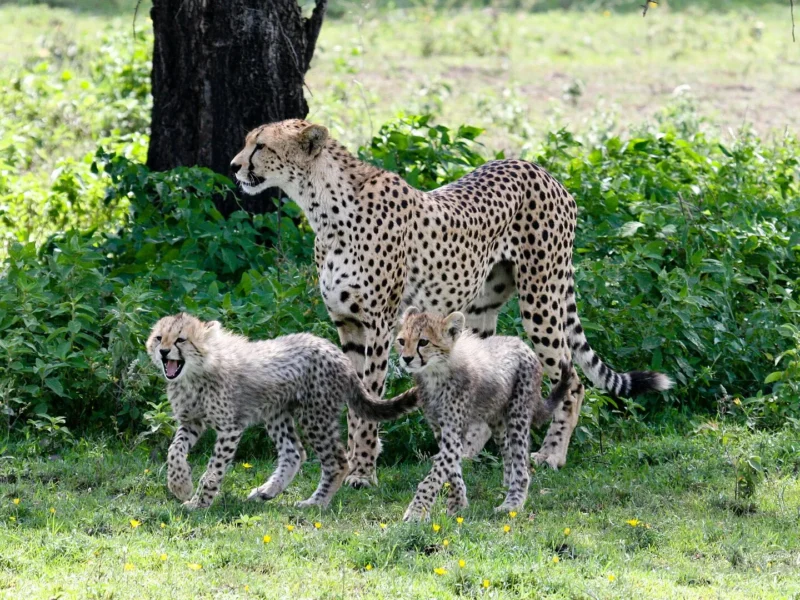
A cheetah with two cubs in the Ndutu area of the southern Serengeti Migration 6 days
Tanzania · Southern Serengeti

6-Day Serengeti Calving Season Safari (January–March)

Witness the birth of the Great Migration: three nights at Ndutu in the southern Serengeti, where around half a million wildebeest calves are born each year between January and March.

  • Great Migration
  • Calving
  • Big cats
Tailor-madePrice on request
See the plan →
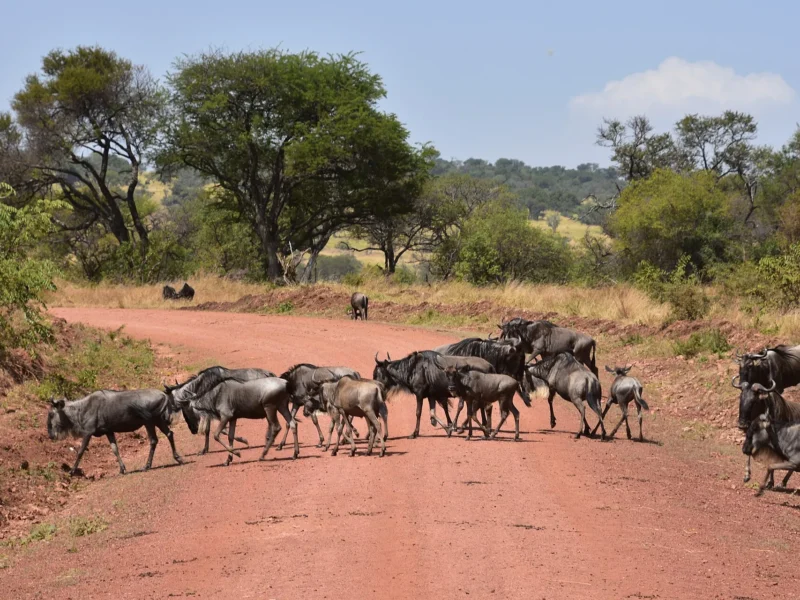
Wildebeest of the Great Migration crossing a track in the northern Serengeti, Tanzania Migration 7 days
Tanzania · Northern Serengeti

7-Day Northern Serengeti Great Migration Safari (July–October)

Mara River crossings without the crowds: four nights in the remote northern Serengeti between July and October, when the herds cross the river into and out of Kenya.

  • Great Migration
  • River crossings
  • Fly-in
Tailor-madePrice on request
See the plan →
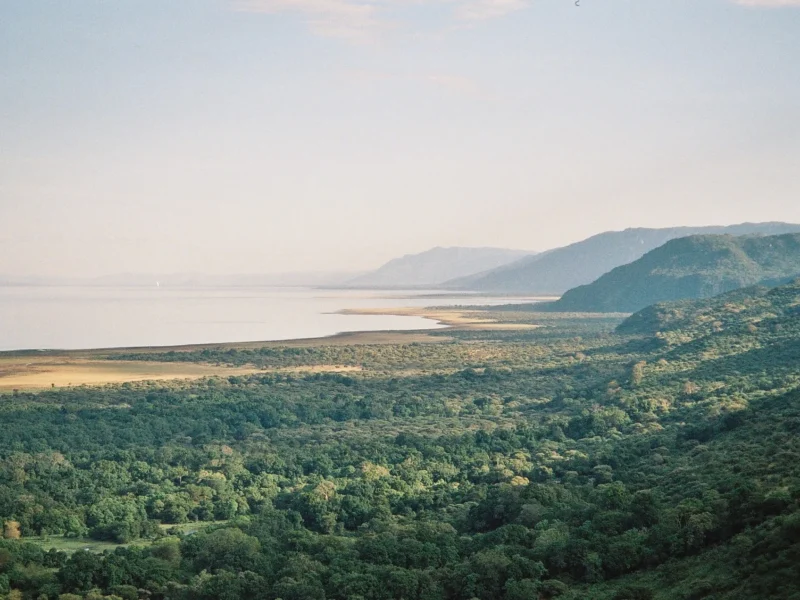
Lake Manyara and its forest below the Rift Valley escarpment, Tanzania Signature 7 days
Tanzania · Northern Circuit

7-Day Tanzania Northern Circuit Safari

The Northern Circuit at an unhurried pace: Tarangire, Lake Manyara, three nights in the Serengeti following the herds and a full day in the Ngorongoro Crater.

  • Big cats
  • Migration
  • Crater
  • Elephants
Tailor-madePrice on request
See the plan →
Where you’ll stay

Lodges in Ngorongoro Crater

All lodges
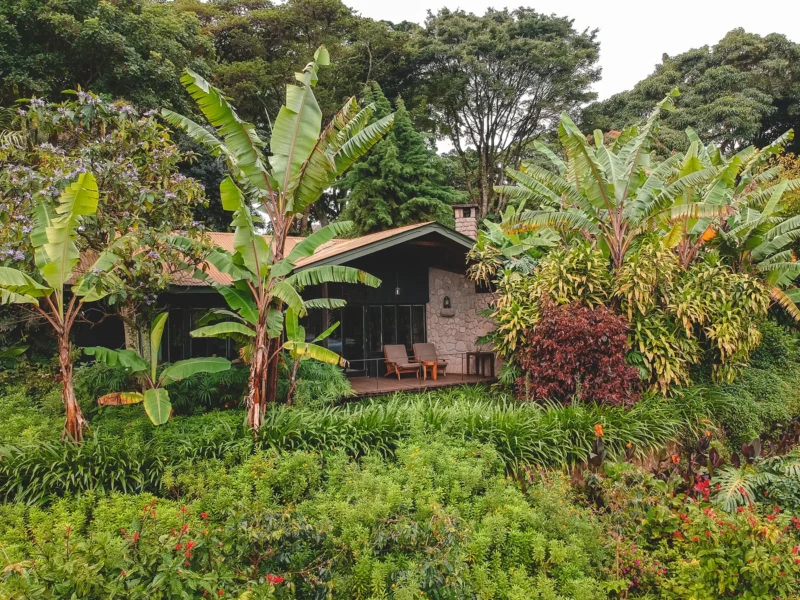
Guest cottage in the tropical garden at Gibb's Farm, Karatu Luxury
Karatu, Ngorongoro highlands, Tanzania

Gibb’s Farm

A working coffee farm from 1929 in the Ngorongoro highlands near Karatu, with cottages in English-style gardens and organic, farm-grown food.

Karatu · Luxury
The view from the forested rim of the Ngorongoro Crater, Tanzania Budget
Ngorongoro Crater rim, Tanzania

Rhino Lodge

A cosy lodge a few hundred metres from the crater rim, once the home of Henry Fosbrooke, Ngorongoro’s first conservationist.

Ngorongoro · Budget
Aerial view of Ngorongoro Serena Safari Lodge on the crater rim Mid-range
Ngorongoro Crater rim, Tanzania

Ngorongoro Serena Safari Lodge

A lodge built into the western rim of the Ngorongoro Crater, with rooms whose balconies look straight down into the caldera.

Ngorongoro · Mid-range
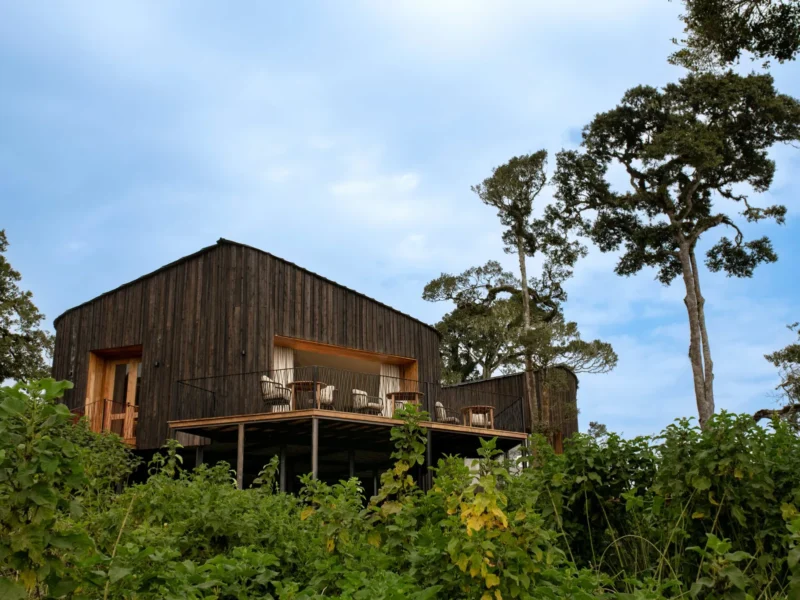
Suite building at Lemala Osonjoi Lodge in the Ngorongoro highlands Luxury
Ngorongoro Crater rim, Tanzania

Lemala Osonjoi Lodge

A luxury lodge on a hill just back from the Ngorongoro Crater rim, close to the Lemala Gate for an easy, early descent into the eastern side of the crater.

Ngorongoro · Luxury
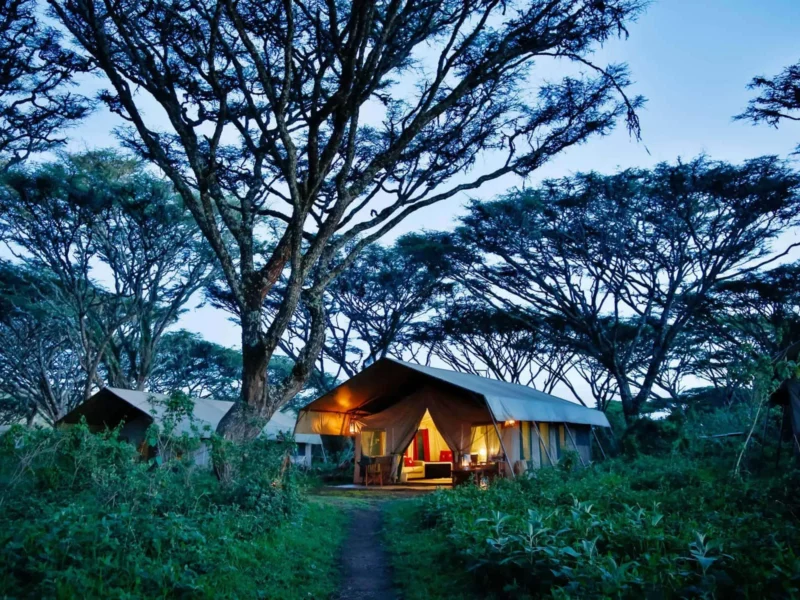
Tent in the acacia forest at Lemala Ngorongoro Tented Camp Luxury
Ngorongoro Crater rim, Tanzania

Lemala Ngorongoro Tented Camp

A tented camp in an old acacia forest close to the Ngorongoro Crater rim, beside the quieter Lemala access road on the eastern side.

Ngorongoro · Luxury
Good to know

Ngorongoro Crater safari questions

Can I see black rhino in the Ngorongoro Crater?

Yes. The crater has a small but protected population of black rhinos, and it is one of the most reliable places in East Africa to see one, usually at a distance across the open grass.

How long should I spend in the crater?

One full day on the crater floor, usually from early morning to early afternoon, is enough for most travellers.

Are there elephants in the crater?

Yes, mainly old bulls with large tusks; breeding herds tend to stay in the highland forest on the rim.

Is the Ngorongoro Crater crowded?

It can be busy in peak season, especially at midday. Entering early, as soon as the gates open, gives a quieter start.

What else is in the Ngorongoro Conservation Area?

Olduvai Gorge, the Empakaai and Olmoti craters, the Ndutu plains where the migration calves, and Maasai communities who live and graze cattle in the area.

Tailor-made, from dusk to dawn

Plan your Ngorongoro Crater safari

Tell us your dates and interests and a specialist will send a tailor-made itinerary with a clear price within 24 hours.

Get my safari price WhatsApp a specialistNo booking fee · Reply within 24 hours