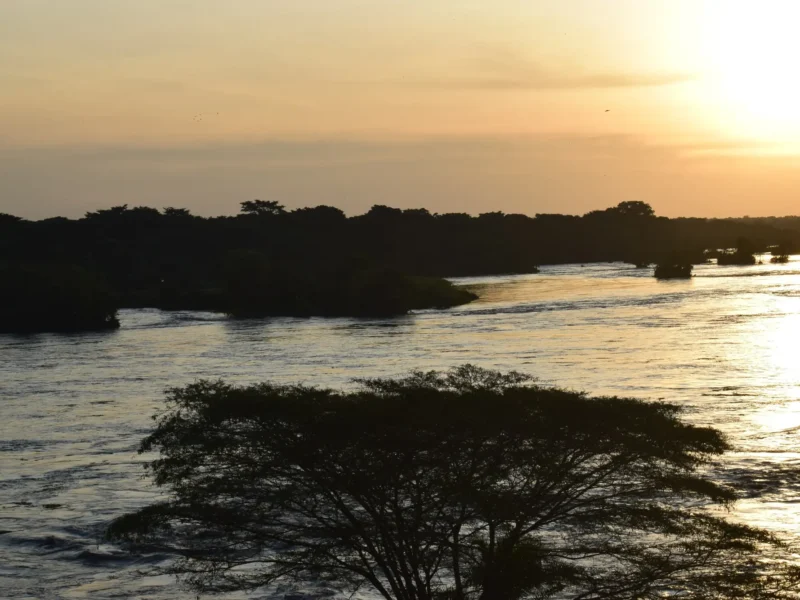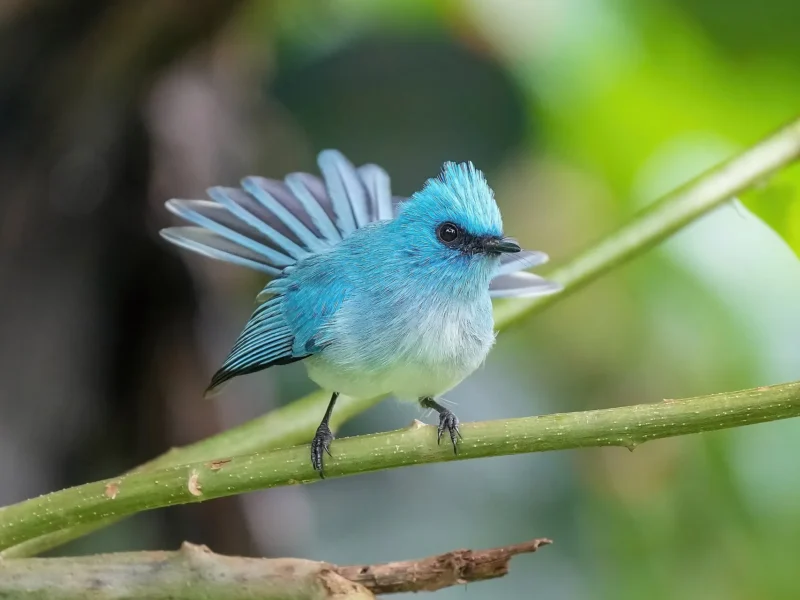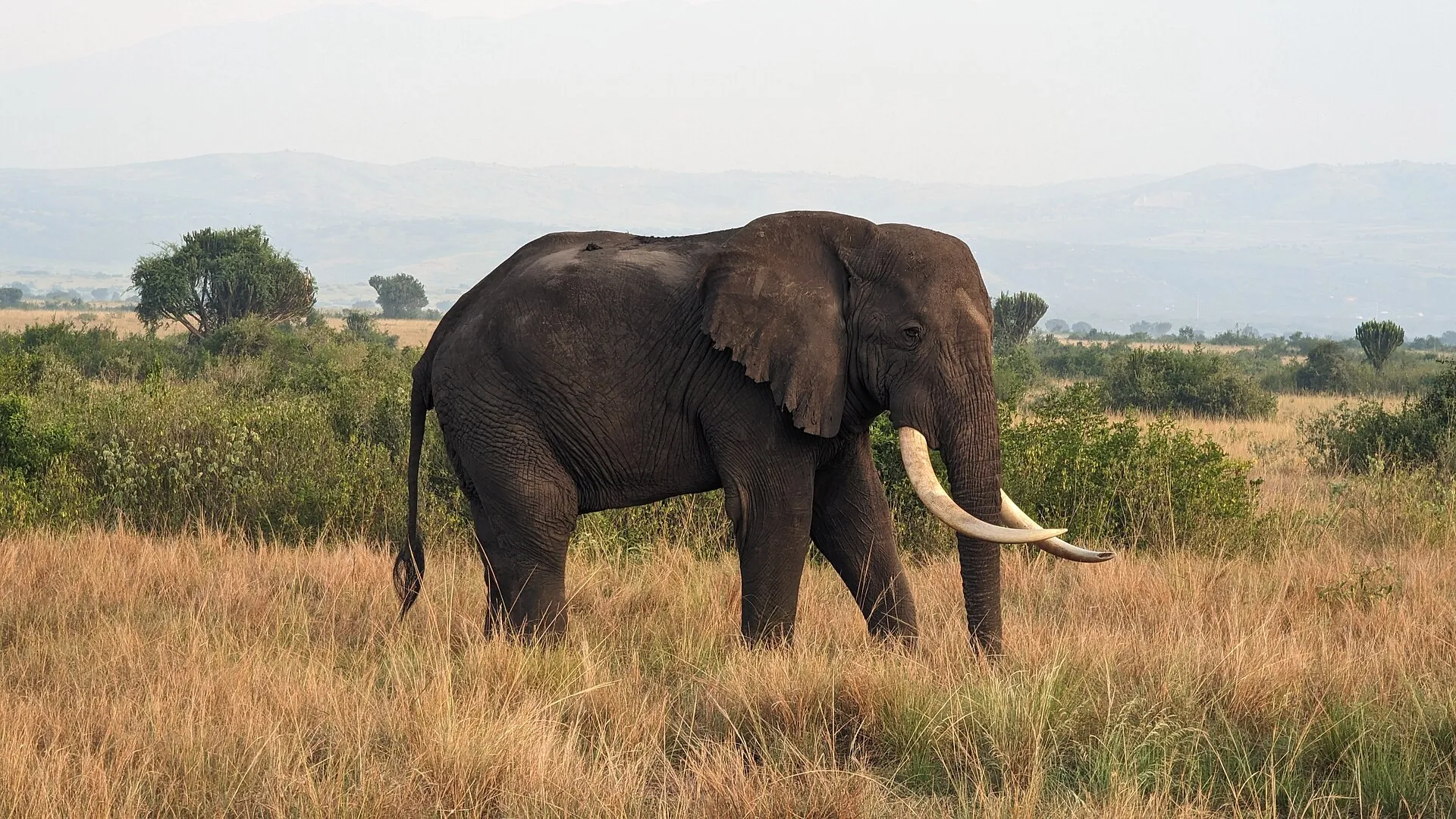
The best time to visit Uganda is during the two dry seasons, June to September and December to February, when trails are firmer for gorilla and chimp trekking and wildlife gathers near water. April, May and November are wetter but cheaper, with gorilla permits at US$600 instead of US$800. Birding is best from November to April, when migrants are present.
Key takeaways
- Dry seasons: June–September and December–February.
- Wet seasons: March–May (long rains) and October–November (short rains).
- Low-season permits: US$600 gorilla, US$200 chimp in April, May and November.
- Birding is best November–April.
- Uganda is on the equator, so temperatures are mild all year.
Uganda sits on the equator, so it has no real winter or summer. Instead, the year is shaped by two rainy seasons and two dry seasons. Because much of the country is high, temperatures are pleasant year-round, and the forests are green in every month. Choosing when to go is mostly about rain, crowds and price.
Uganda’s seasons
| Months | Season | What it means |
|---|---|---|
| December–February | Short dry season | Excellent trekking and game viewing; busy over the holidays |
| March–May | Long rains | Heavy showers, lush scenery, low prices in April and May |
| June–September | Long dry season | Peak season for gorillas and safaris |
| October–November | Short rains | Showers return; low-season permits in November |
Gorilla and chimpanzee trekking
Trekking runs every day of the year. In the dry seasons, trails in Bwindi and Kibale are firmer and treks are generally easier. In the rainy months, mud makes treks harder, but the forest is at its most beautiful and permits are cheaper: US$600 for gorillas and US$200 for Kibale chimps in April, May and November. Read Uganda’s 2026 low-season gorilla permits explained.
Savannah parks
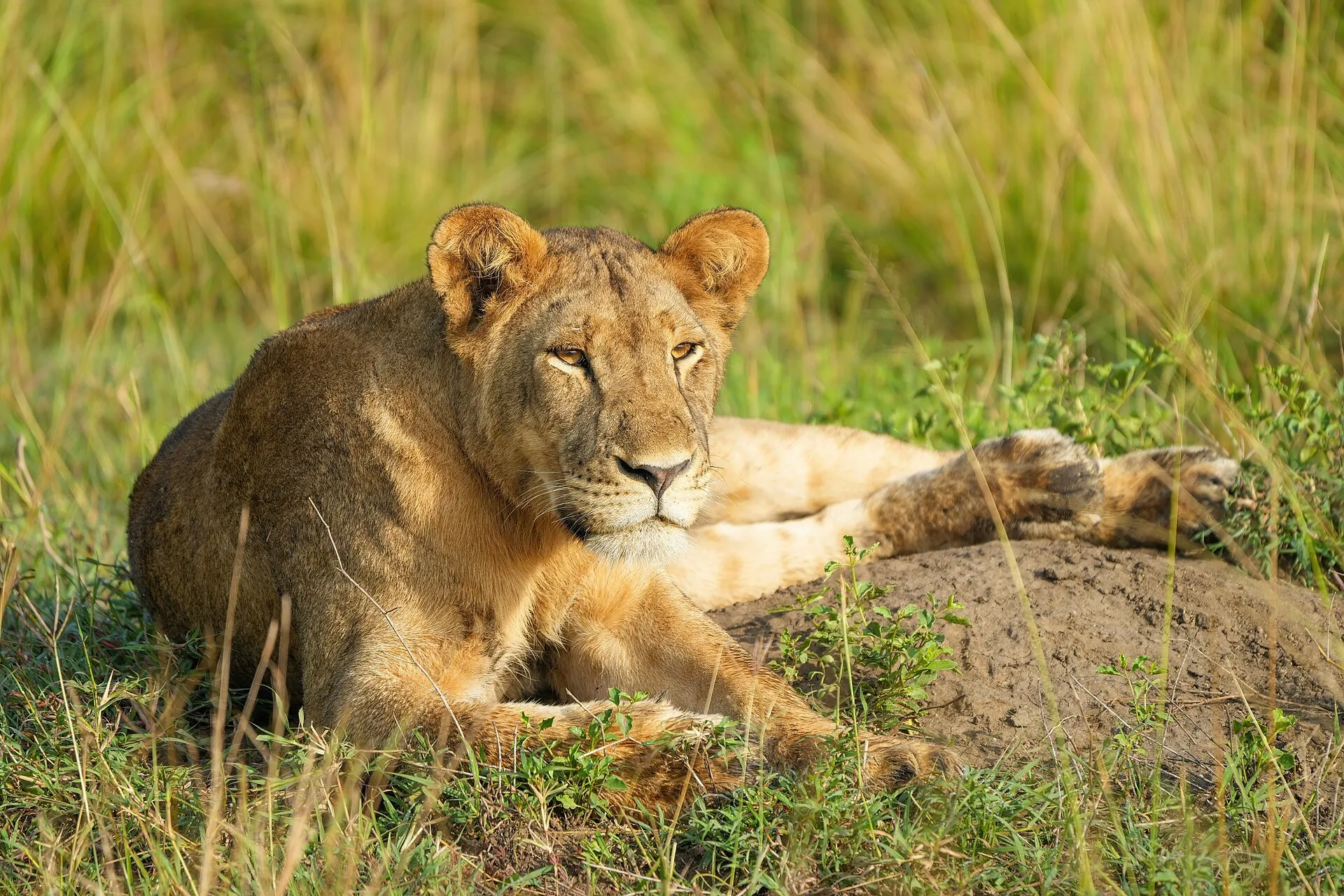
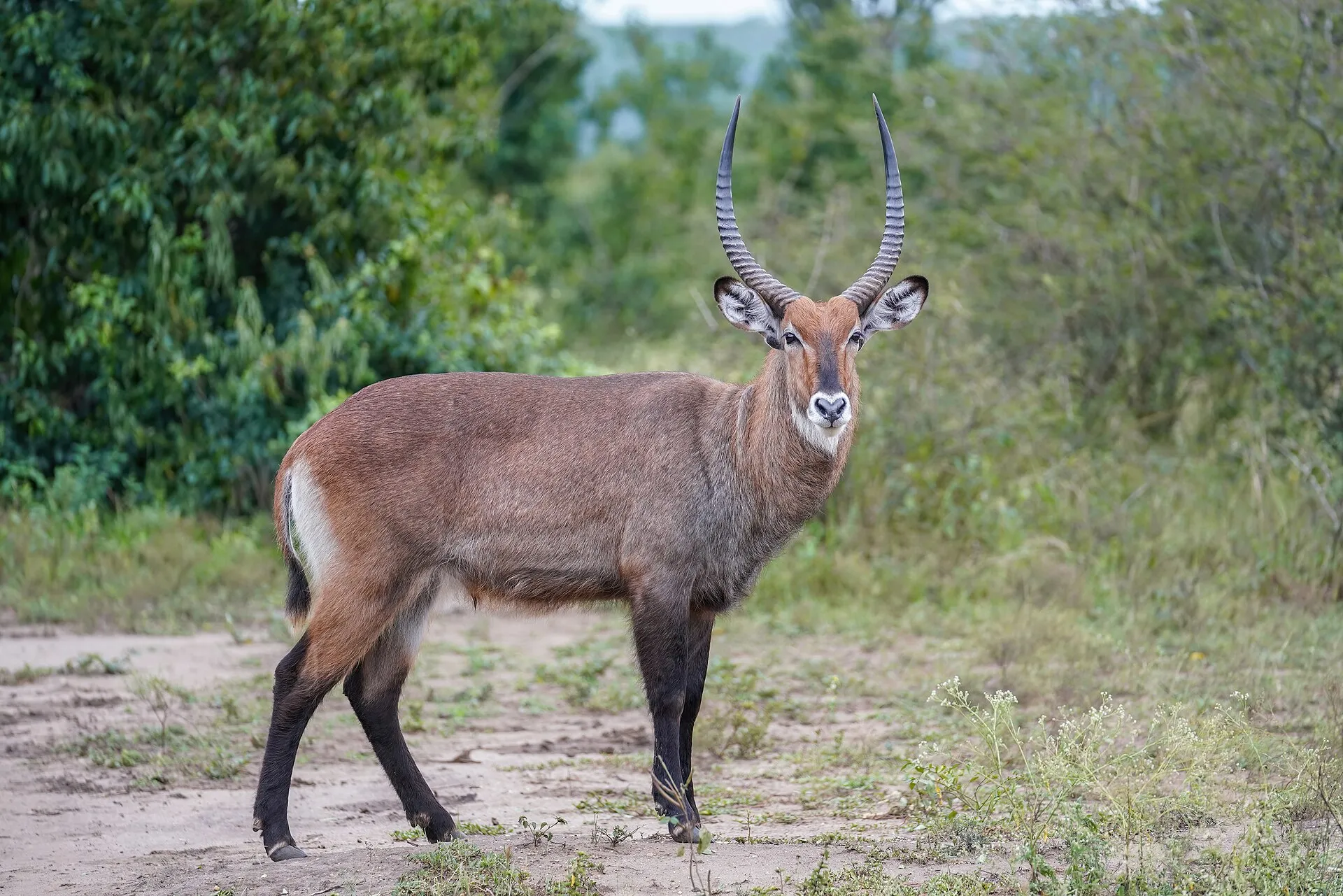
Queen Elizabeth, Murchison Falls and Lake Mburo are best in the dry seasons, when grass is short and animals concentrate near rivers and lakes. In the rains, tall grass can hide lions, but the landscapes are green and young animals are everywhere. Kidepo is best from September to March.
Birding
Uganda is excellent for birding all year. November to April brings Palearctic migrants, and the rainy seasons are breeding time for many residents, which sing and display. The shoebill at Mabamba is present every month.
Month by month
- January–February: dry, green, excellent for everything; busy in early January.
- March: rains begin; quieter.
- April–May: wettest months; best value and quietest parks.
- June–August: dry peak season; book early.
- September: dry, slightly quieter; superb month overall.
- October: mostly dry early, showers later.
- November: short rains; low-season permits.
- December: drying out; busy over Christmas.
See our travel by month guide for detailed advice on each month.
Weather by region
- Bwindi, Mgahinga, Kigezi: cool and damp at altitude (often 10–20°C), with cold nights.
- Kibale and Fort Portal: mild, with frequent rain.
- Queen Elizabeth and Murchison: warm to hot, especially in the dry season.
- Kampala and Entebbe: warm and humid, with afternoon storms in the rains.
If you want gorillas in peak season, book permits 6–12 months ahead. If your dates are flexible, consider June or September for a balance of good weather and fewer visitors.
What the rainy season is really like
“Rainy season” in Uganda rarely means all-day rain. A typical wet-season day starts clear, clouds build after midday and a heavy shower or thunderstorm arrives in the afternoon or evening, then clears. Gorilla and chimp treks start early in the morning, so many treks in April or November finish before the worst of the rain. What changes most is underfoot: Bwindi’s steep trails turn slippery, and a trek that takes two hours in July can take longer in May.
The roads change too. Main highways are tarmac and open all year, but some park tracks, such as the Ishasha sector of Queen Elizabeth and parts of the road to Kidepo, become slow after heavy rain. We plan longer driving days with that in mind and, where it helps, suggest a domestic flight.
North versus south
The two-rainy-seasons pattern fits the south and west, where the gorilla and chimpanzee parks are. Northern Uganda, including Kidepo Valley, has a drier climate with one main wet season in the middle of the year and a long dry spell from about September to March. That is why we recommend Kidepo in those months, when animals gather near the remaining water in the Narus Valley.
Crowds, holidays and permit demand
Gorilla permits are limited to eight visitors per family per day, so the busiest months are defined by permit demand rather than by crowded parks. Permits sell out first for July, August, the Christmas and New Year period and Easter. Uganda Martyrs’ Day on 3 June brings very large pilgrim crowds to Namugongo, near Kampala, and heavy traffic around the city for a few days either side; it does not affect the national parks.
In April, May and November you will often share a lodge with only a handful of other guests, and low-season permits cost US$600 instead of US$800. These permits are fixed to the date booked and cannot be rescheduled, so they suit travellers with settled plans.
Combining Uganda with Kenya or Tanzania
If you want gorillas and the wildebeest migration on one trip, timing matters more for the plains than for the forest. The herds are usually in Kenya’s Masai Mara from about July to October, which matches Uganda’s long dry season well. From December to March they are on the southern Serengeti plains in Tanzania, where calving takes place, which pairs with Uganda’s short dry season. Read the Great Migration month by month and combining Uganda with Kenya or Tanzania.
What to pack for each season
- Every month: a light waterproof jacket, a warm layer for cool mornings in Bwindi and Mgahinga, and gardening gloves for gripping vegetation on treks.
- Rainy months: waterproof hiking boots with good grip, gaiters, waterproof trousers and a dry bag for your camera.
- Dry months: sun protection and a dust scarf for game drives in Queen Elizabeth and Murchison.
Read what to pack for gorilla trekking for the full list.
Best time to visit Uganda: quick answers
What is the best month to visit Uganda?
For weather, July, August, September, January and February are the most reliable. For a balance of good conditions, fewer people and easier permits, June and September are hard to beat.
Can you see gorillas in the rainy season?
Yes. Trekking runs every day of the year, and the gorillas stay in the same areas. Treks can be muddier and slower, but permits are cheaper in April, May and November.
What is the cheapest time to visit Uganda?
April, May and November, when gorilla permits drop to US$600, Kibale chimp permits to US$200 and many lodges offer lower rates.
Is Uganda too hot to visit?
Rarely. Most of the country lies above 1,000 metres, so even the savannah parks are warm rather than oppressive, and the gorilla parks are cool, especially at night.
Our recommendation
For a first visit with the best weather, travel from June to September or December to February. For the best value and the quietest parks, choose April, May or November and pack good rain gear. Either way, Uganda’s gorillas, chimps and wildlife are there to be seen.
Best time by activity
| Activity | Best months | Notes |
|---|---|---|
| Gorilla trekking | June–Sept, Dec–Feb | Year-round; US$600 permits Apr, May, Nov |
| Chimp tracking | June–Sept, Dec–Feb | Year-round; US$200 permits Apr, May, Nov |
| Game drives | June–Sept, Dec–Feb | Short grass, animals near water |
| Birding | Nov–Apr | Migrants present |
| Kidepo | Sept–March | Dry season |
| Rwenzori trekking | Dec–Feb, June–Aug | Driest months |
Frequently asked questions
What is the best month to visit Uganda?
July, August, January and February are among the best for weather and wildlife. June and September are excellent with fewer visitors.
Can I trek gorillas in the rainy season?
Yes. Gorilla trekking runs every day of the year; trails are muddier in the rains, and permits are cheaper in April, May and November.
When is the cheapest time to visit Uganda?
April, May and November, when low-season permits and green-season lodge rates apply.
Is Uganda hot?
Not very. Being high and on the equator, most of Uganda has warm days of 22–28°C; the gorilla parks are cooler and nights can be cold.
When is the best time for Murchison and Queen Elizabeth?
The dry seasons, when grass is short and animals gather near water.
When is the rainy season in Uganda?
The main rains fall from March to May, with shorter rains in October and November. Rain usually comes in heavy afternoon showers.

Written by our Kampala-based planners and guides, who arrange these trips every season. Prices and rules are checked before every quote.