
Gombe Stream National Park
Gombe is Tanzania’s smallest national park, a narrow strip of steep valleys and forest along the lake north of Kigoma. It was here, in 1960, that Jane Goodall began the study that changed our understanding of chimpanzees, and research continues today. The chimps are well habituated, and treks often reach them within an hour or two. Read Gombe Stream.
Mahale Mountains National Park
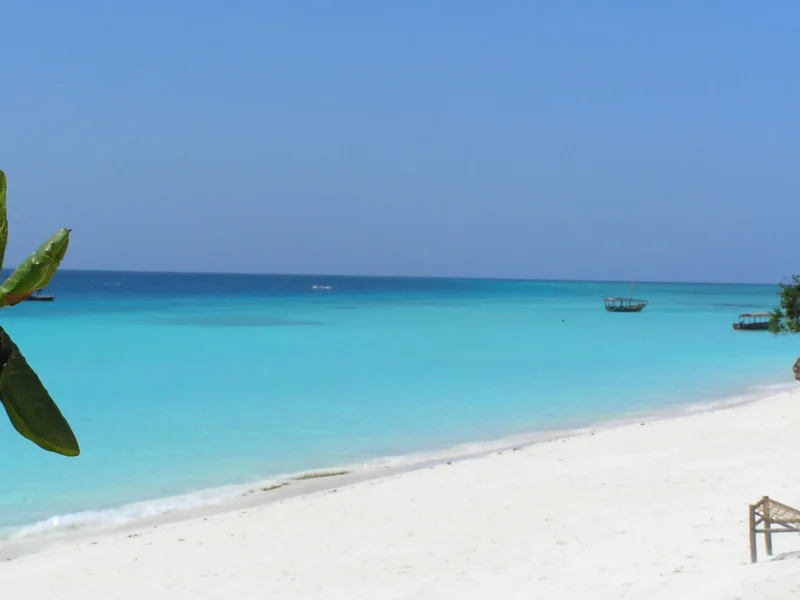
Mahale is much larger and wilder, with mountains rising steeply from the lake shore. A chimpanzee community here has been studied by researchers since the 1960s and is habituated for visitors. The few camps sit on white-sand beaches, and the setting, forest on one side and the turquoise lake on the other, is unforgettable. Read chimps of the Mahale Mountains.
Chimpanzee trekking
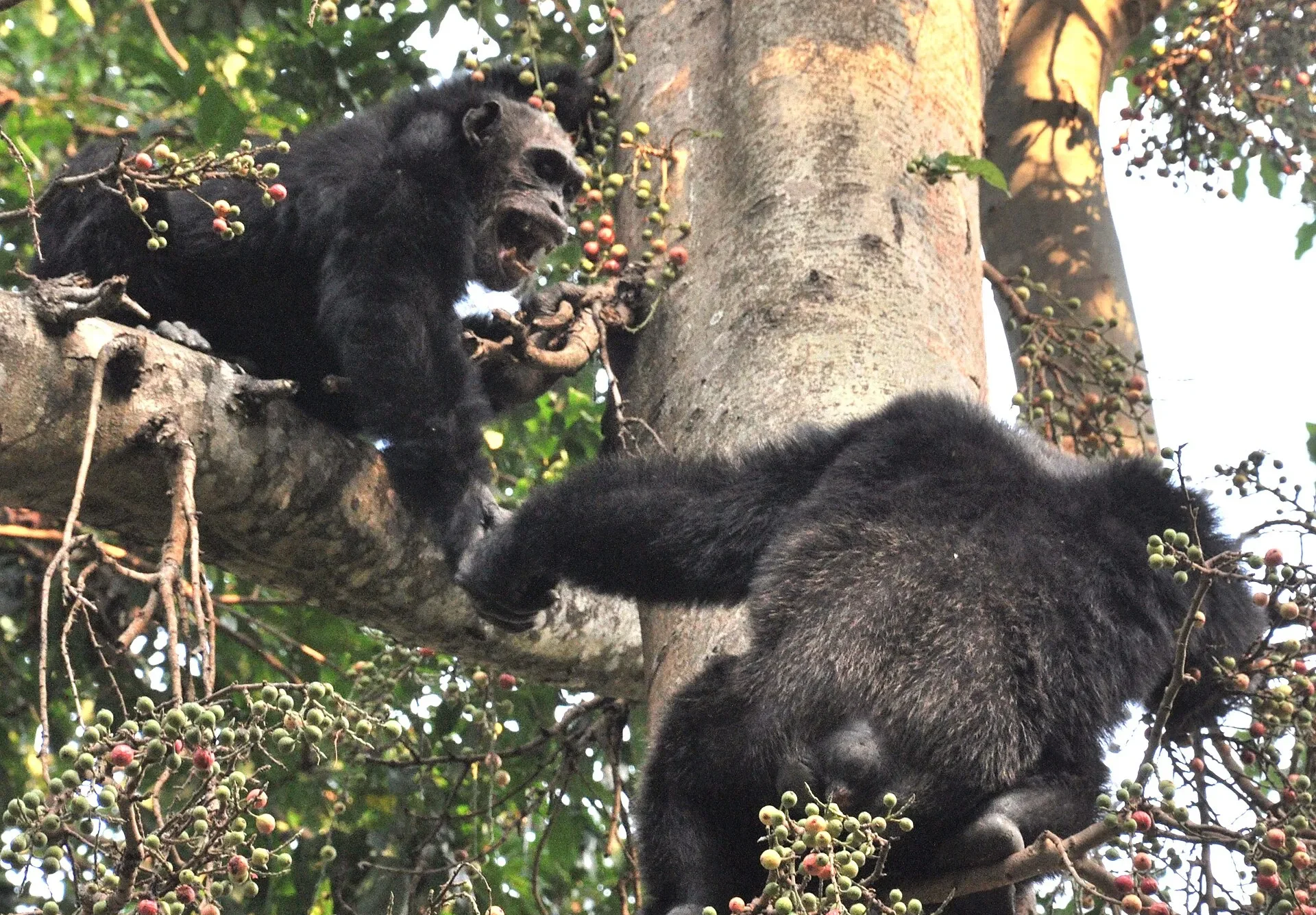
Treks start in the morning with a ranger and trackers who know where the chimps nested. Once you find them, you spend up to an hour watching them feed, groom, play and call. Rules protect the chimps: keep your distance, wear a mask when asked and never eat near them. Read about the chimpanzee.
Things to do
- Chimpanzee trekking in Gombe and Mahale.
- Forest walks to waterfalls and viewpoints.
- Swimming and kayaking in Lake Tanganyika.
- Dhow trips along the shore at sunset.
What to expect
These are remote parks. Getting there takes time and careful planning, accommodation is limited and simple to comfortable, and trails can be steep. In return, you get exceptional chimp encounters in a spectacular, uncrowded setting.
Combining Gombe and Mahale with your trip
Mahale is often combined with Katavi National Park by air, while Gombe can be added to a western Tanzania itinerary via Kigoma. For a chimp experience closer to the main safari routes, compare chimpanzee tracking in Kibale in Uganda. Read how much a Tanzania safari costs and get safari pricing.
Where to stay
Gombe has simple accommodation within or near the park, including a rest house and lakeside tented options, while Kigoma town has hotels for the night before or after. Mahale has a small number of camps on the lake shore, from simple bandas to comfortable beach camps, and is a true fly-in destination.
Practical tips
- Allow at least two full days for trekking to give yourself more than one chance to find the chimps.
- Bring a mask, as visitors must wear one when close to the chimps to protect them from disease.
- Light-aircraft luggage limits are usually around 15 kg in soft bags.
- Book early for the dry season, when the few camps fill quickly.
Gombe and Mahale or Kibale?
Uganda’s Kibale Forest offers the most reliable chimp tracking in East Africa and is far easier to reach on a standard safari route. Gombe and Mahale are for travellers who want a remote adventure and a lakeside setting as part of the experience.