Signature 14 days14-Day Uganda, Rwanda & Tanzania Safari
Three countries, three great experiences: chimps and gorillas in Uganda, golden monkeys and Kigali in Rwanda, then the Serengeti and the Ngorongoro Crater in Tanzania.

The ultimate East African journey across four countries: chimps and gorillas in Uganda, golden monkeys in Rwanda, the Masai Mara in Kenya and the Serengeti and Ngorongoro Crater in Tanzania.
This eighteen-day grand safari is the most complete journey we offer: four countries, every major primate experience and two of Africa’s greatest savannah ecosystems. You track chimpanzees and gorillas in Uganda, golden monkeys in Rwanda, spend three nights in Kenya’s Masai Mara and finish with Tarangire, the Serengeti and the Ngorongoro Crater in Tanzania.
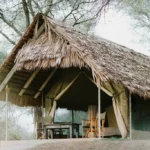
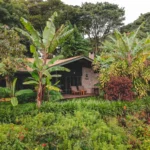
Comfortable lodges and tented camps throughout, with upgrades available at every stop.
Uganda and Rwanda are linked by road through Cyanika. Regional flights connect Kigali with Nairobi, light aircraft fly between Nairobi and the Masai Mara, and a short flight from Nairobi takes you to Kilimanjaro for the Tanzanian section.
Drive west via Fort Portal to Kibale Forest.
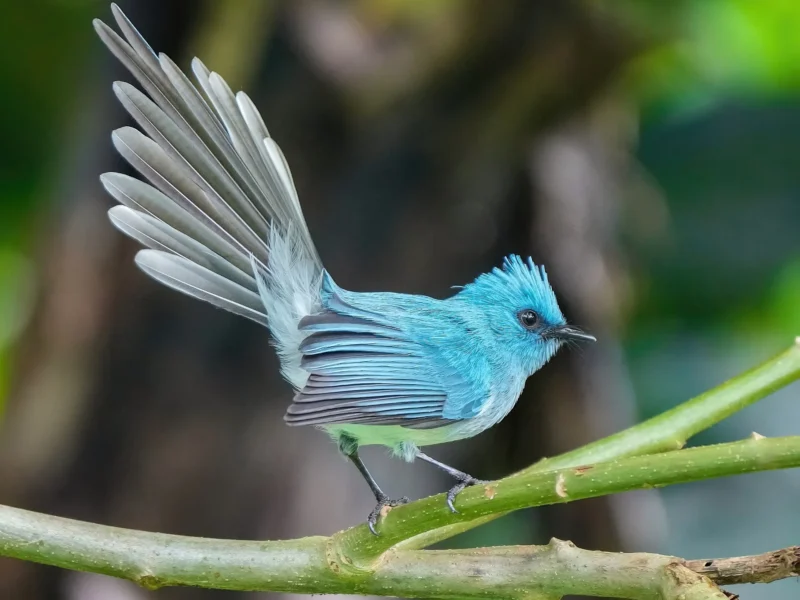
In the afternoon, walk the boardwalk and trails of the community-run Bigodi Wetland Sanctuary with a local guide. It is one of the best places in Uganda to see the great blue turaco, and you may also find red colobus, L’Hoest’s monkeys and a wealth of swamp birds. Fees support the local community’s schools and health projects.
Arrive at the Kanyanchu visitor centre for the 8:00am briefing, then set off into the forest in a group of up to eight with a Uganda Wildlife Authority ranger. Kibale’s habituated chimpanzees are usually found within one to three hours, often calling loudly or feeding in fig trees. You spend one hour with them, watching grooming, squabbles and youngsters at play, while red colobus and grey-cheeked mangabeys move through the canopy around you.
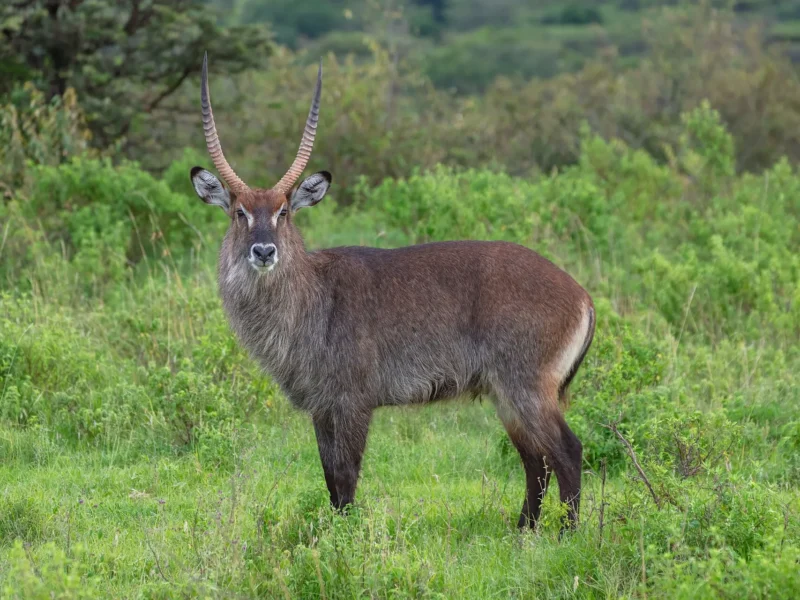
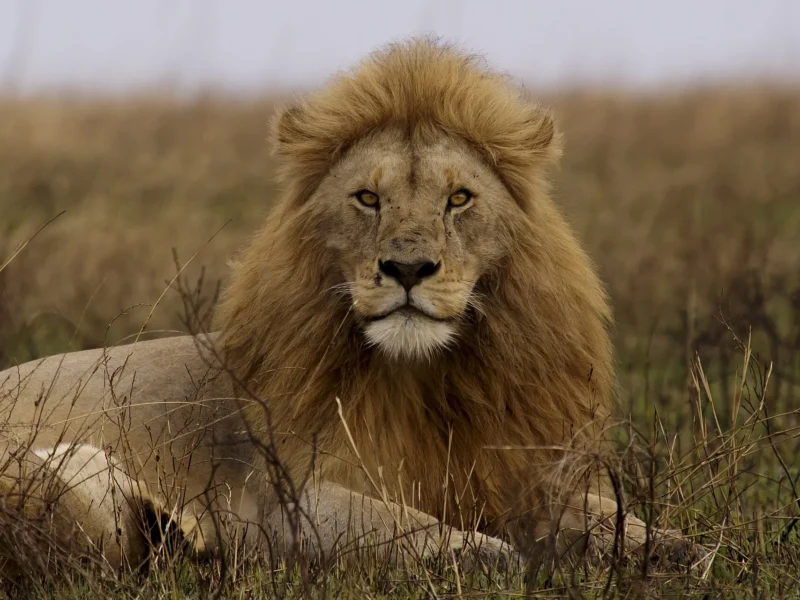
Set out at dawn for a game drive on the Kasenyi plains, where thousands of Uganda kob gather on their breeding grounds and the lions of Kasenyi hunt in the early light. Look also for buffalo, waterbuck, warthog and elephants, and for leopards along the Channel Track.
In the afternoon, board the two-hour launch cruise on the Kazinga Channel from Mweya. The channel links Lakes George and Edward and its banks hold one of Africa’s highest concentrations of hippos, along with buffalo, elephants coming down to drink, Nile crocodiles and huge numbers of waterbirds such as pelicans, African skimmers and pied kingfishers.
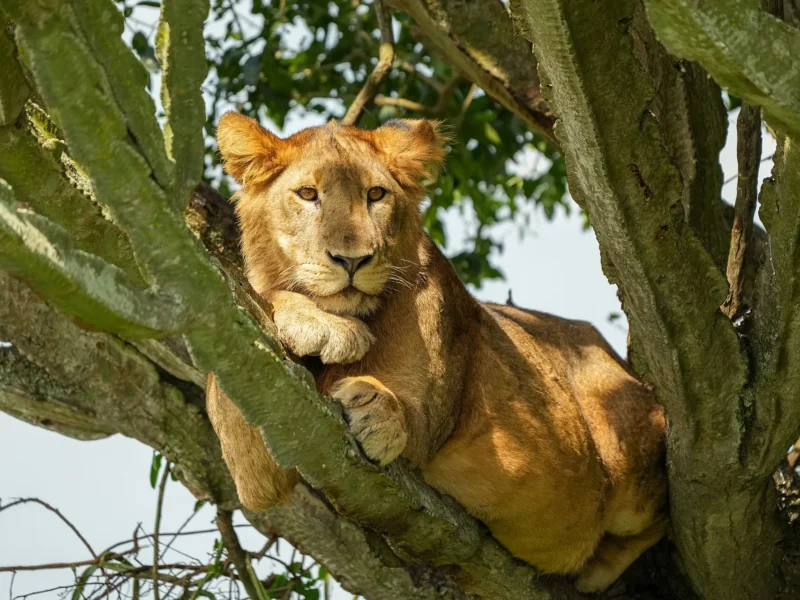
Drive south through the Ishasha sector of Queen Elizabeth National Park, where lions often rest in the branches of large fig trees. Your guide checks their favourite trees as you look for topi, buffalo and elephants on the open plains, then you continue through the hills to Bwindi.
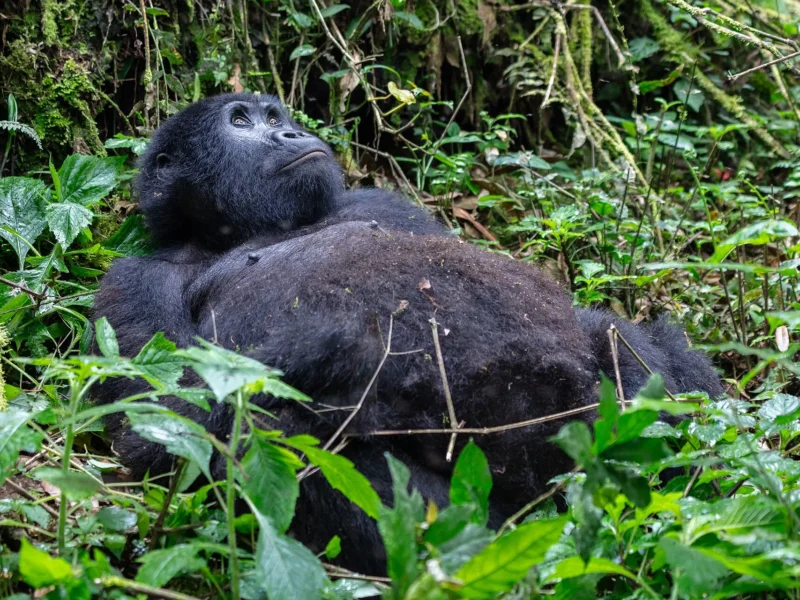
After an early breakfast you report to the park office for the 7:30–8:00am briefing, where Uganda Wildlife Authority rangers explain the rules and assign each visitor to a gorilla family; no more than eight people visit a family each day.
You then follow your ranger guide into the forest while trackers radio the family’s position. Treks take anywhere from one to six hours over steep, muddy ground. When you reach the gorillas you leave bags and sticks with the porters, put on a face mask and spend one hour watching them feed, groom and play from at least 10 metres away, before walking back out and receiving your trekking certificate.
Leave Bwindi after breakfast and drive south through the terraced Kigezi highlands to Kisoro, with the Virunga volcanoes rising ahead. Cross into Rwanda at Cyanika with your guide’s help, then continue to Musanze and your lodge near Kinigi below the volcanoes, arriving in the afternoon in time to relax or walk in the farmland at the park edge.
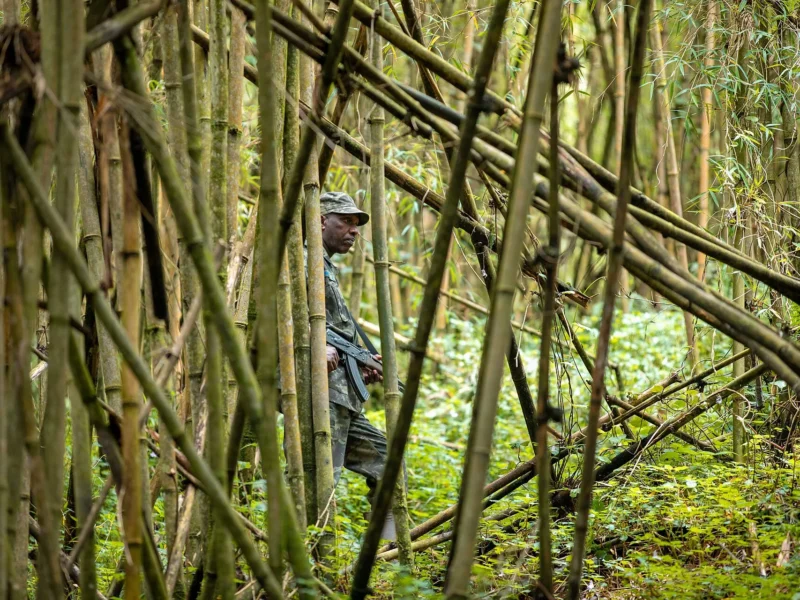
After the 7:00am briefing at Kinigi, set out to track golden monkeys in the bamboo zone at the foot of the volcanoes. These endangered monkeys, with bright orange-gold backs, live only in the Virunga region; the habituated troop is usually found within an hour, leaping and feeding among the bamboo. In the afternoon, visit the Gorilla Guardians Village, where former poachers and their families share Rwandan dance, crafts and farming, or the Dian Fossey Gorilla Fund campus in Musanze.
Drive back to Kigali through the green, terraced hills, about 2–2.5 hours. In the afternoon, visit the Kigali Genocide Memorial, where exhibitions explain the history of 1994 and Rwanda’s path to reconciliation, then explore the colourful Kimironko market and one of the city’s art studios. End the day with dinner at one of Kigali’s excellent restaurants.
Fly to Nairobi and on to the Masai Mara.
In the afternoon, set out on your first game drive across the grassland. The Mara has Africa’s highest concentration of predators, and even a first drive often brings lions, elephants, giraffes, zebra and herds of antelope against the backdrop of the Oloololo escarpment. Return to camp as the sun sets.
Spend a full day exploring the reserve with a picnic lunch. Leave at sunrise, when lions and cheetahs are most active, and follow your guide’s knowledge of the prides and their territories across the open plains. Look for elephants and buffalo along the rivers, topi standing sentry on termite mounds, and leopards resting in the riverine forest. In migration season (usually July to October) you head for the Mara River, where great herds of wildebeest and zebra gather and, if you are patient, plunge across the crocodile-filled water. Return to camp at sunset.
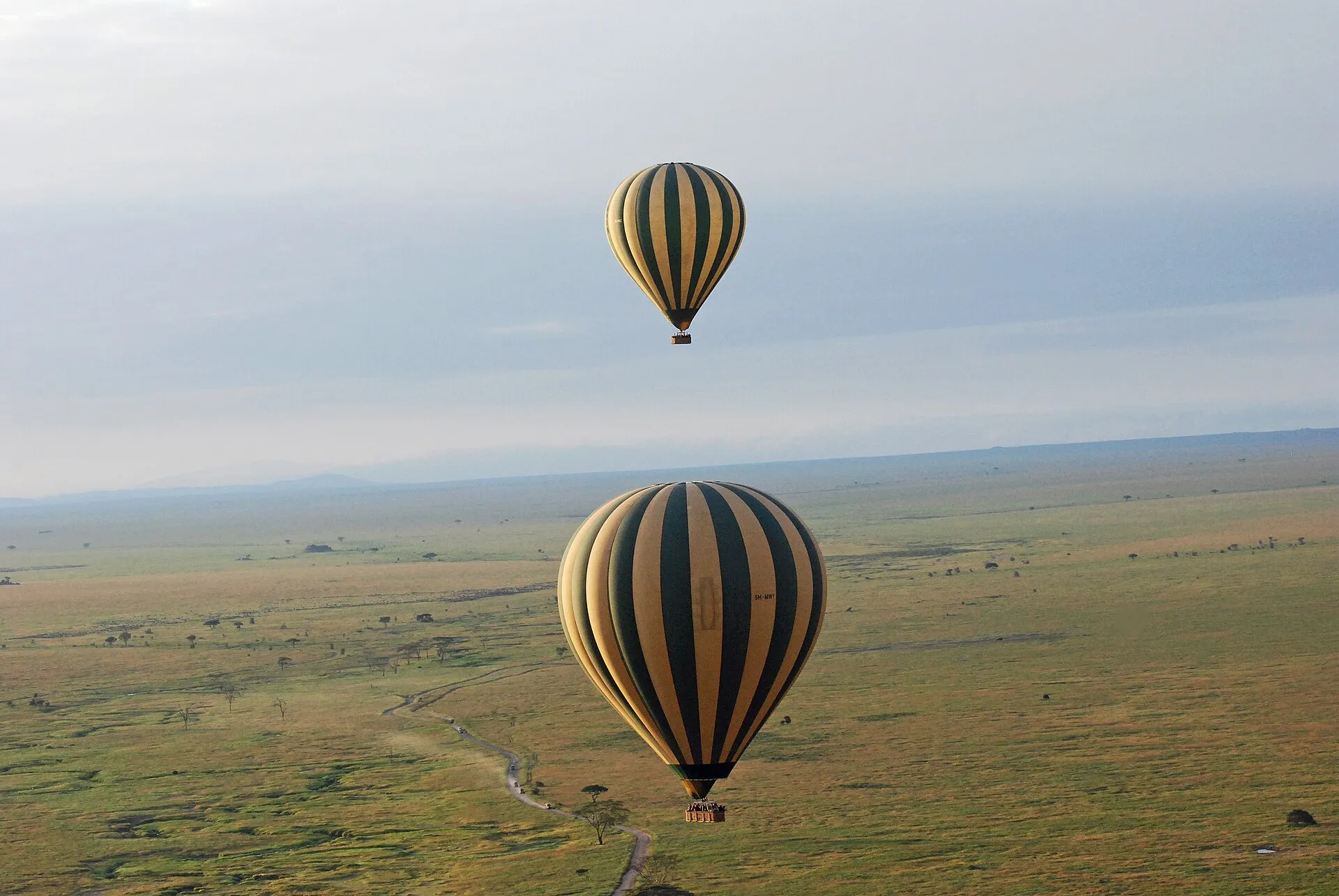
An optional sunrise balloon flight, game drives and a Maasai village visit.
A third full day to wait at the river in migration season or follow the big cats.
Take a final early game drive, then fly back to Nairobi’s Wilson Airport, about 45 minutes. In the afternoon, visit the Giraffe Centre to feed endangered Rothschild’s giraffes and the Karen Blixen Museum, the farmhouse of the Out of Africa author, before an evening at your hotel.
Fly to Kilimanjaro and drive to Tarangire for an afternoon game drive.
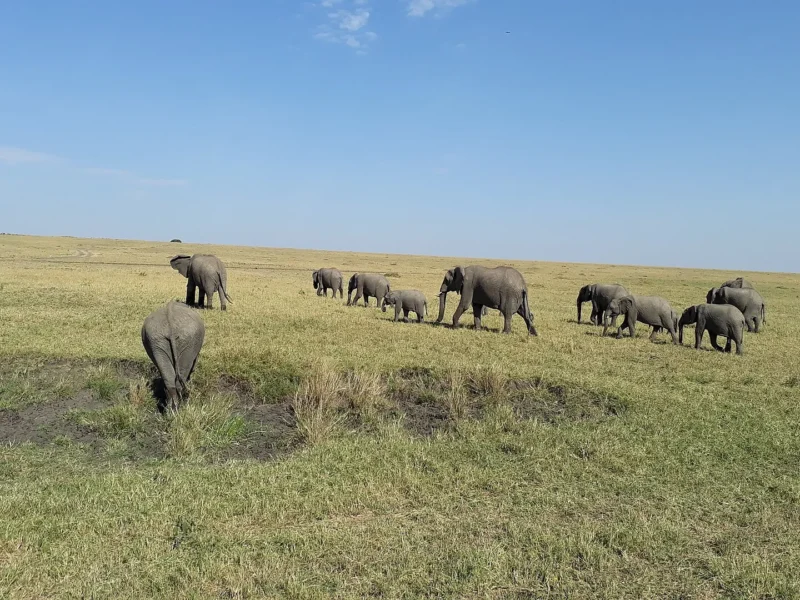
Spend the afternoon on a game drive along the Tarangire River, the park’s lifeline. In the dry season (June to October) herds of elephants, sometimes hundreds strong, gather to drink and dig for water in the sandy riverbed, alongside zebra, wildebeest, buffalo, giraffes and impala. Look for lions resting in the shade, leopards in the sausage trees, and the colourful yellow-collared lovebirds that are found only in northern Tanzania.
Drive up through the cool highland forest of the Ngorongoro Conservation Area, with a stop at the rim viewpoint, then descend past Maasai villages to the plains. Stop at Olduvai Gorge, one of the world’s most important sites for human origins, where a small museum overlooks the gorge. Enter the Serengeti at Naabi Hill gate and game drive across the short-grass plains to the Seronera area in the afternoon, arriving at camp by sunset.
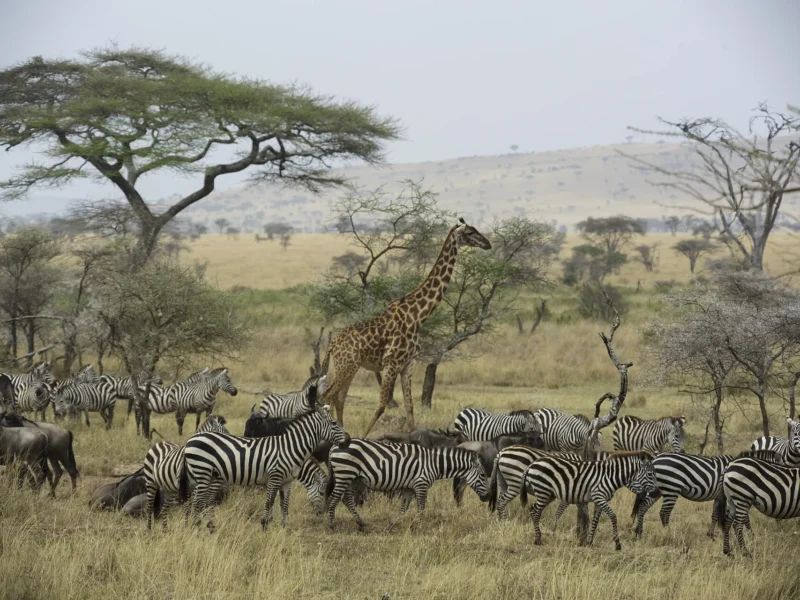
Spend a full day exploring the Serengeti with a picnic lunch. In the central Seronera valley, permanent water supports resident wildlife all year: lions on the kopjes, leopards in the sausage trees along the rivers, cheetahs on the open plains, and herds of giraffe, buffalo, topi, hartebeest and gazelles. Your guide follows the latest sightings and positions the vehicle for the best views and light, returning to camp at sunset.
Drive back across the plains in the morning.
Descend into the Ngorongoro Crater as soon as the gates open, dropping 600 metres down the steep crater wall to the floor of the world’s largest intact volcanic caldera. In about six hours on the crater floor you can see lions and spotted hyenas, herds of zebra, wildebeest and buffalo, old elephant bulls with huge tusks and, with luck, one of the crater’s protected black rhinos. Stop for a picnic lunch by the Ngoitokitok hippo pool, then visit the soda lake, often pink with flamingos, before climbing back up to the rim in the afternoon.
Drive to Arusha for your flight home from Kilimanjaro International Airport.
Lodges shown match the quoted price. Ask us about mid-range and luxury upgrades.


| Permit or fee | 2026 rate (foreign non-resident adult) |
|---|---|
| Uganda gorilla trekking permit | US$800 per person each (US$600 in April, May and November 2026) |
| Rwanda gorilla trekking permit | US$1,500 per person (30% off November–May with two nights in Nyungwe or Akagera) |
| Golden monkey trekking, Volcanoes | US$100 per person |
| Chimpanzee tracking permit, Kibale | US$250 per person (US$200 in April, May and November) |
| Kazinga Channel launch, Queen Elizabeth (optional extra) | US$30 per person |
| Kibale Forest National Park: park entry | US$40 per day (included in the chimp permit on tracking day) |
| Queen Elizabeth National Park: park entry | US$40 per day |
| Bwindi Impenetrable National Park: park entry | US$40 per day (included in the gorilla permit on trekking day) |
| Masai Mara National Reserve: park entry | US$200 per day (July–December), US$100 (January–June) |
| Serengeti National Park: park entry | about US$83 per 24 hours |
| Ngorongoro Conservation Area fee | about US$71 per 24 hours, plus US$295 per vehicle for each crater descent |
| Tarangire National Park: park entry | about US$60 per 24 hours |
| Porter on trekking day (recommended, paid locally) | about US$20 |
Permits alone come to about US$2,650 per person on this trip at standard rates. The permits marked as included are part of your quote, and we secure them before anything else because they are limited and must be paid in full when booked.
For a full breakdown, see how much a Uganda safari costs and how much a Rwanda safari costs.
Every itinerary is private, so you choose the style of each stay. These are lodges we use at each stop, by comfort level:
In Uganda, gorilla and chimp trekking run all year. June to September and December to February are the driest months, with easier forest trails; April, May and November are wetter and quieter, and Uganda's gorilla permit drops to US$600. See the best time to visit Uganda.
In Rwanda, June to September and December to February are the driest months. From November to May the gorilla permit is discounted by 30% when you also stay at least two nights in Nyungwe or Akagera. See the best time to visit Rwanda.
In Kenya, the Great Migration is usually in the Masai Mara from July to October, and January to February is another dry, excellent window. The long rains fall mainly in April and May, when parks are quieter and greener. See the best time to visit Kenya.
Every trip can be adjusted to your dates, budget and pace. Ask for a free quote and a specialist will reply within 24 hours.


For four countries it is ideal: two to three nights in each main area, with flights for the longest connections.
The East Africa Tourist Visa covers Uganda, Rwanda and Kenya; Tanzania needs its own e-visa.
Yes. Finish in Zanzibar with a short flight from Arusha.
July to October for the migration in the Mara and dry conditions everywhere.
It depends on lodges, season and group size; send us your dates for a detailed quote.
Signature 14 daysThree countries, three great experiences: chimps and gorillas in Uganda, golden monkeys and Kigali in Rwanda, then the Serengeti and the Ngorongoro Crater in Tanzania.
Signature 12 daysPrimates and plains: chimpanzees and gorillas in Uganda, then a flight to Tanzania for the Serengeti’s great herds, the Ngorongoro Crater and Tarangire’s elephants.
Signature 10 daysThe best of both worlds: chimpanzees, savannah and mountain gorillas in Uganda, then a short flight to Kenya for three nights among the big cats and great herds of the Masai Mara.
Change the dates, add a night, upgrade a lodge or combine it with Rwanda or Kenya. Tell us what you have in mind and we’ll send a revised plan and price.