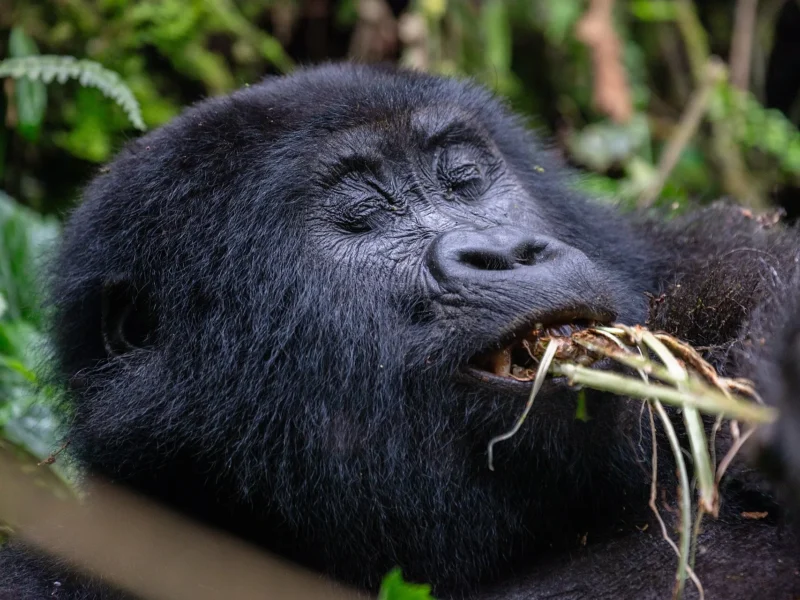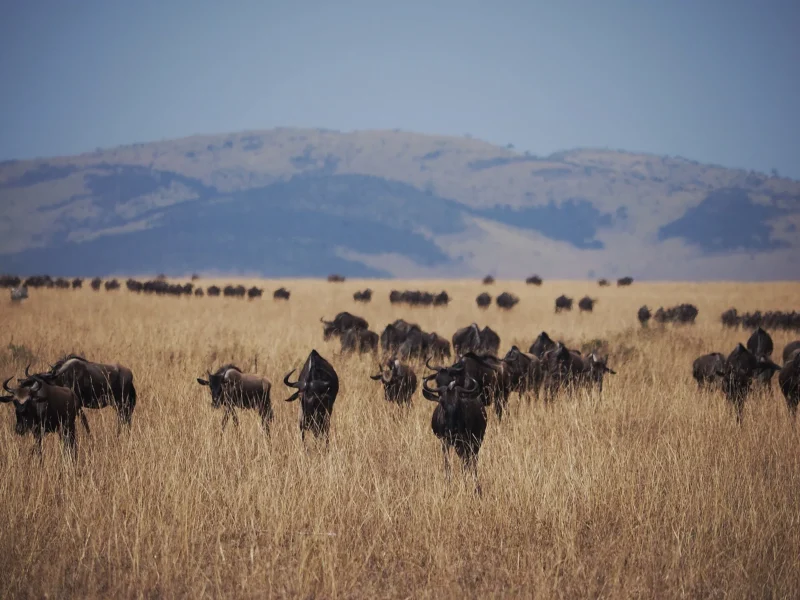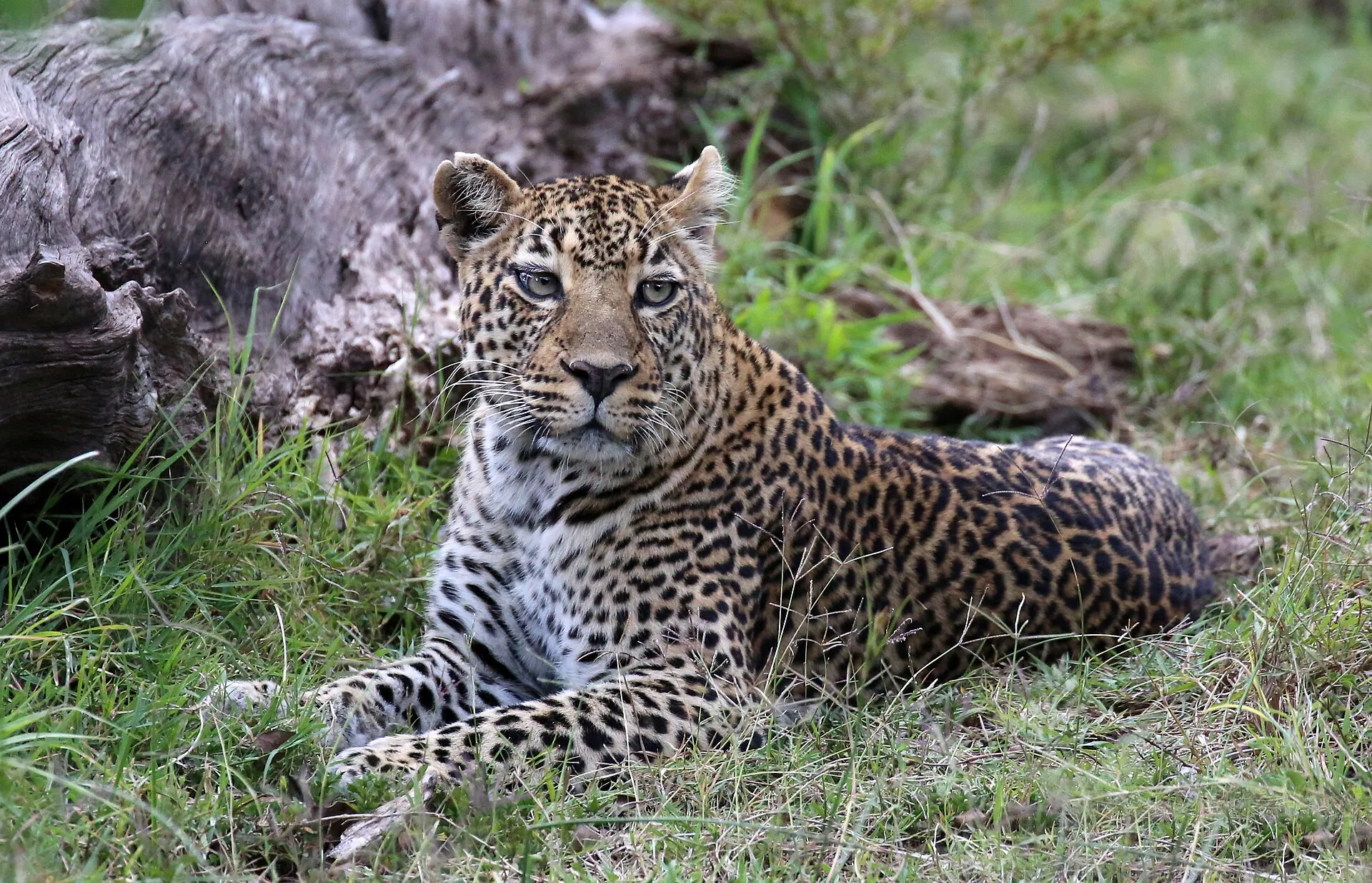
East Africa offers world-class wildlife photography: gorillas and chimps in Uganda and Rwanda, the Great Migration in the Serengeti and Mara, Amboseli’s elephants beneath Kilimanjaro and the shoebill at Mabamba. For the best results, travel with a private vehicle and patient guide, plan around the light, bring a 100–400 mm-range zoom plus a wider lens, and consider two gorilla treks or the habituation experience.
Key takeaways
- A private vehicle lets you control position and time at sightings.
- Golden hours after sunrise and before sunset give the best light.
- Forest primates need fast lenses or good high-ISO performance; no flash.
- Consider two gorilla treks or the four-hour habituation experience.
- Bring a bean bag, spare batteries and plenty of storage.
An East Africa photography safari offers some of the most rewarding wildlife photography in the world, from the intimacy of a gorilla family in the forest to the epic scale of the Great Migration. With the right planning, equipment and guide, you can come home with images you will treasure for a lifetime.
Top photographic experiences
- Mountain gorillas in Bwindi and Volcanoes: intimate portraits in dappled light. See our mountain gorilla guide.
- Chimpanzees in Kibale: fast-moving, expressive subjects.
- Big cats in the Serengeti, the Mara and Samburu, including leopards in trees.
- The Great Migration: river crossings and endless herds. See wildebeest and the Great Migration.
- Elephants beneath Kilimanjaro in Amboseli.
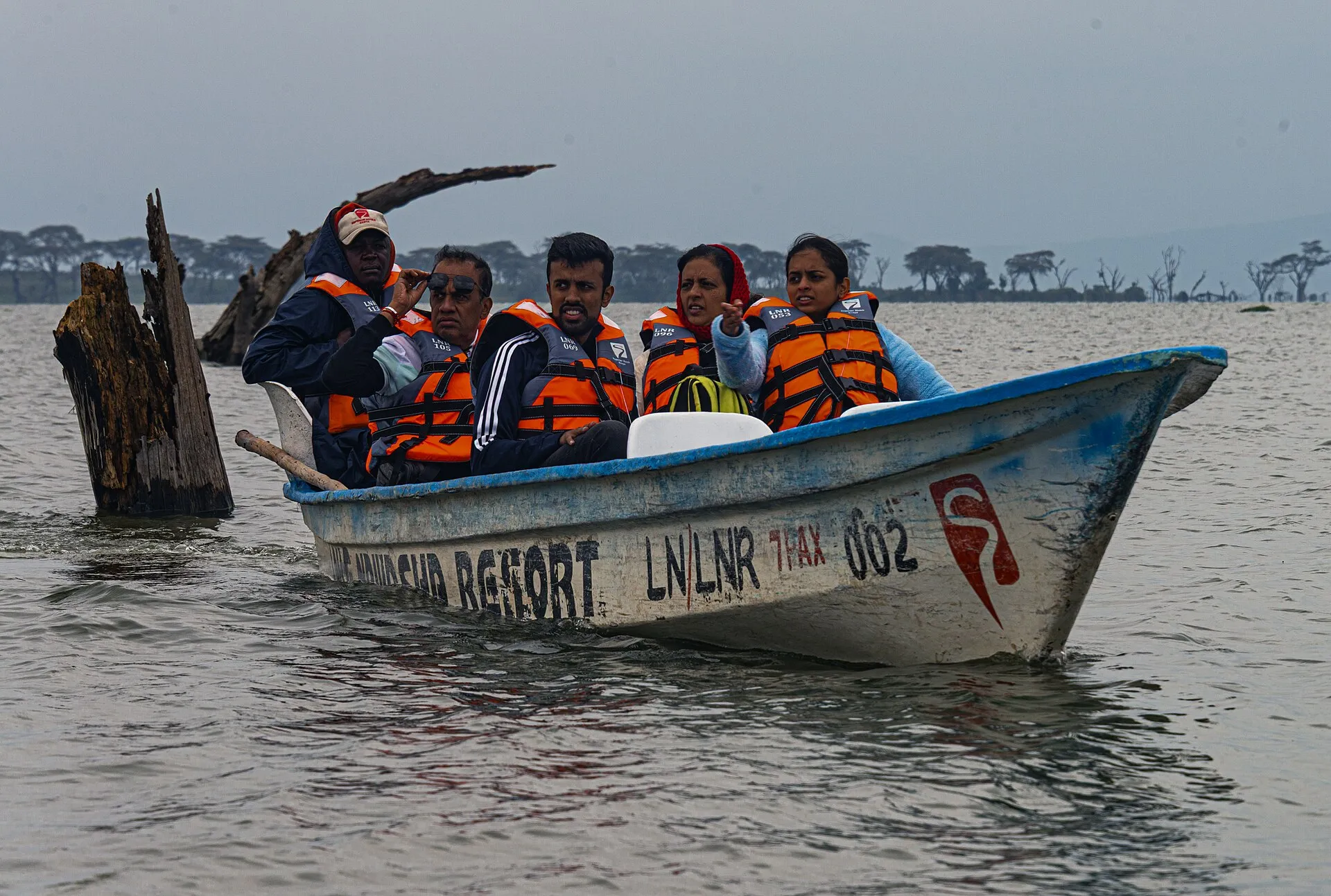
- The shoebill at Mabamba, photographed from a canoe at eye level.
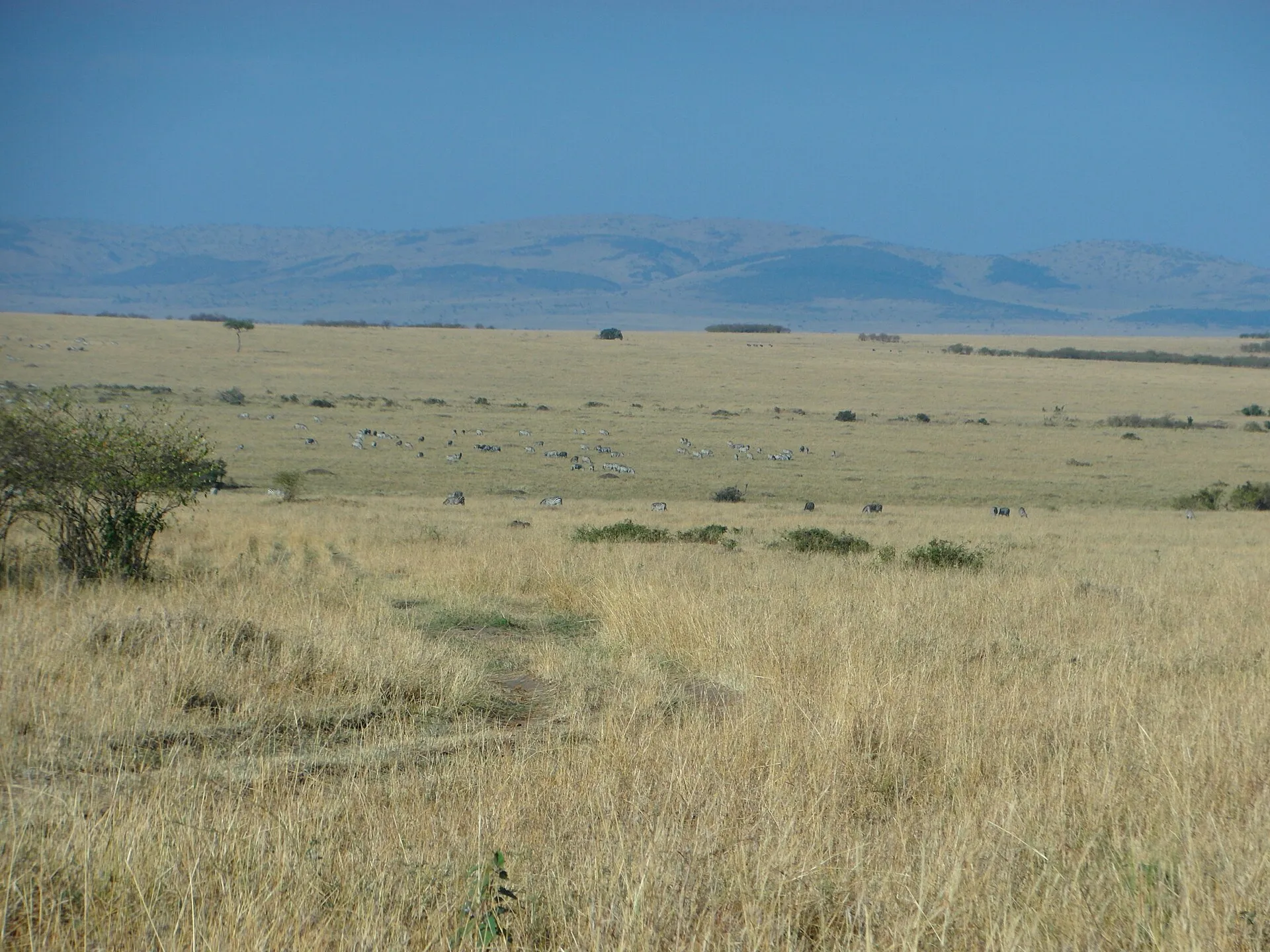
Light and timing
The best light is in the first two hours after sunrise and the last two before sunset, when colours are warm and shadows soft. Plan game drives around these times and use the middle of the day to rest, back up your images and review your settings. In forests, light is dim and contrasty, so cloudy days are often better than bright sun.
Equipment checklist
- Two camera bodies if possible, to avoid changing lenses in dust.
- A long zoom (100–400 mm or 150–600 mm) and a mid-range zoom (24–70 mm).
- A bean bag for support on the vehicle door or roof.
- Plenty of batteries and memory cards; charging is available at most lodges.
- Dust protection: a blower, cloths and covers for the dry season.
In forests, expose for the gorilla’s or chimp’s face, not the background. Dark fur against bright leaves easily fools your meter.
Primate photography
Gorillas and chimps live in shaded forest, so you will often shoot at high ISO with wide apertures. Flash is never allowed. For more time and better chances, consider two gorilla treks on our 5-day double gorilla trekking safari or up to four hours with a family on the gorilla habituation experience.
Vehicles and guides
A private vehicle with a pop-up roof or open sides, and a guide who understands photography, makes the biggest difference. Your guide can position the vehicle for light and background, switch off the engine for sharp shots and wait patiently for behaviour.
Ethical photography
- Never ask guides to drive off-road where it is not allowed, or to crowd animals.
- Keep the required distances from gorillas and chimps.
- Never bait or call animals, and avoid disturbing nesting birds.
- Respect local people: always ask before photographing someone.
Best seasons for photography
The dry seasons, June to October and December to February, offer clear light, short grass and concentrated wildlife. The green season brings dramatic skies, lush landscapes, newborn animals and fewer vehicles, ideal for creative images.
Best destinations by subject
| Subject | Where | When |
|---|---|---|
| Mountain gorillas | Bwindi, Volcanoes | Year-round; drier months for easier light |
| Leopards | Seronera, Samburu, the Mara | Dry seasons |
| River crossings | Northern Serengeti, the Mara | July–October |
| Calving and predators | Ndutu, southern Serengeti | January–March |
| Elephants with Kilimanjaro | Amboseli | Dry months, at sunrise |
| Shoebill | Mabamba Swamp | Year-round, early morning |
Frequently asked questions
What lens should I bring?
A 100–400 mm or 150–600 mm zoom covers most wildlife; a 24–70 mm handles landscapes and close gorilla encounters. In forests, a fast lens or a camera with good high-ISO performance helps.
Can I use flash with gorillas or chimps?
No. Flash is not allowed with primates.
Are tripods allowed on gorilla treks?
Monopods or walking sticks are more practical; tripods are cumbersome in dense forest. A bean bag is best for vehicles.
How do I get the best gorilla photos?
Expose for the faces, raise the ISO, and consider a second trek or the habituation experience for more time and better light.
Is a private vehicle worth it?
Yes. It lets you position for light and background and stay as long as you need.
How do I protect my gear from dust?
Keep cameras in a bag on your lap, use lens covers between sightings, bring a blower and avoid changing lenses in the open vehicle on dusty tracks.

Written by our Kampala-based planners and guides, who arrange these trips every season. Prices and rules are checked before every quote.