The Serengeti at a glance
| Question | Short answer |
|---|---|
| Best for | The Great Migration, big cats and endless plains |
| Calving season | Southern Serengeti and Ndutu, roughly January to March |
| River crossings | Northern Serengeti, usually July to October |
| Park fee | About US$83 per person per 24 hours, including VAT |
| Ideal stay | 3–4 nights, often in two areas |
| Getting there | A day’s drive from Arusha via the Ngorongoro highlands, or a short flight to Seronera or the northern airstrips |
See how much a Tanzania safari costs and the Great Migration month by month.
How many days in the Serengeti?
- Short trips: the 4-day Serengeti and Ngorongoro safari.
- The classic circuit: the 5-day Tarangire, Serengeti and Ngorongoro safari or the 7-day northern circuit safari.
- Following the herds: the 6-day calving season safari or the 7-day northern Serengeti migration safari.
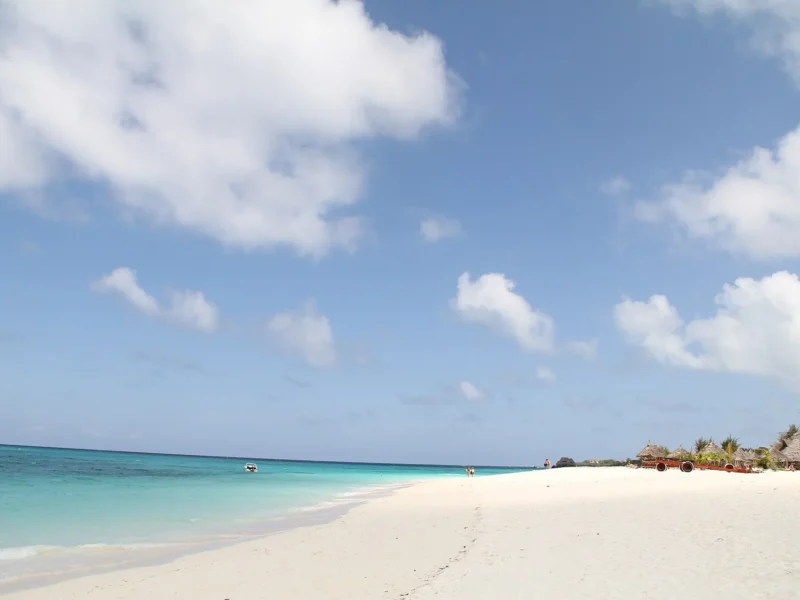
- With the beach: the 10-day Serengeti and Zanzibar holiday.
The Great Migration
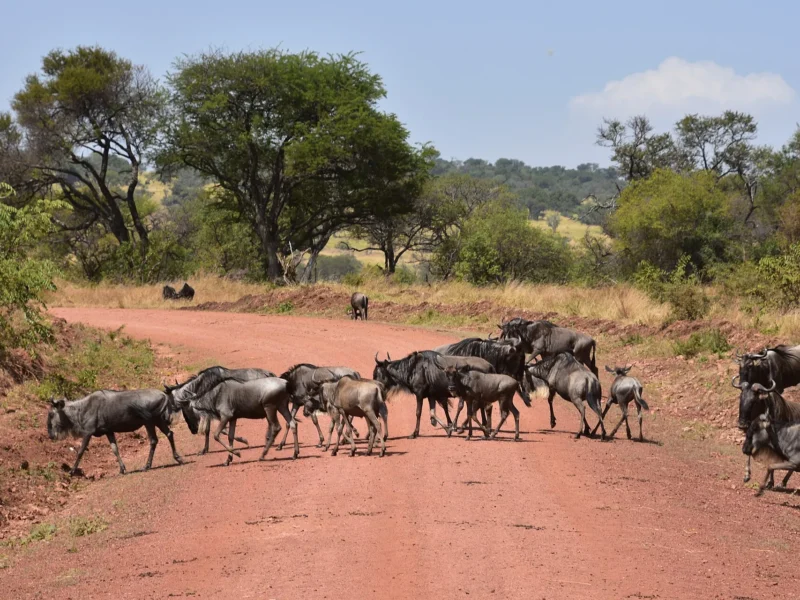
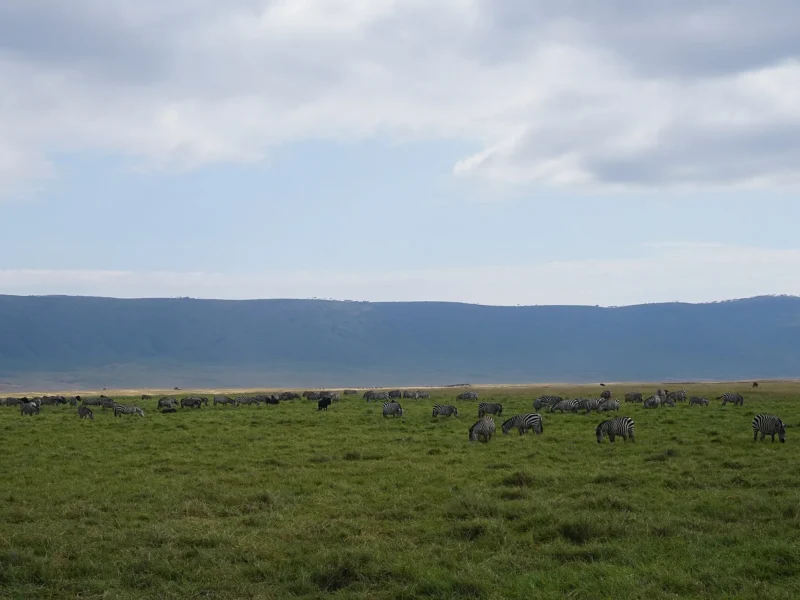
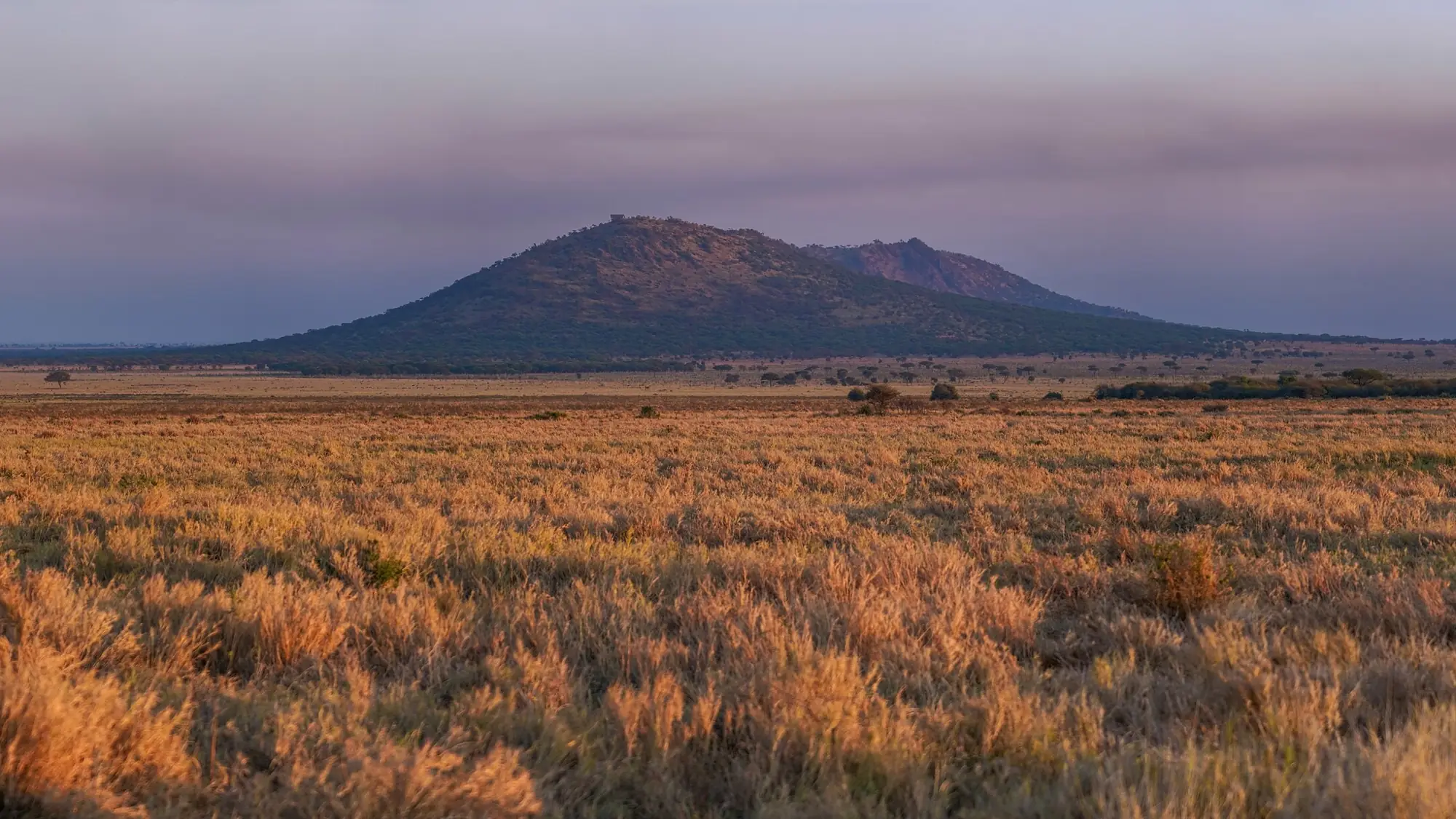
More than a million wildebeest and hundreds of thousands of zebra and gazelles move through the Serengeti in a continuous cycle, following the rains and fresh grass.
| Months | Where the herds usually are | Highlights |
|---|---|---|
| January–March | Southern Serengeti and Ndutu | Calving, predators hunting newborns |
| April–June | Central and western Serengeti | Herds moving, Grumeti River crossings |
| July–October | Northern Serengeti (Kogatende) | Mara River crossings |
| November–December | Eastern and central | Herds heading south with the short rains |
See calving season in the southern Serengeti and the Great Migration month by month for more detail.
Seronera and the big cats
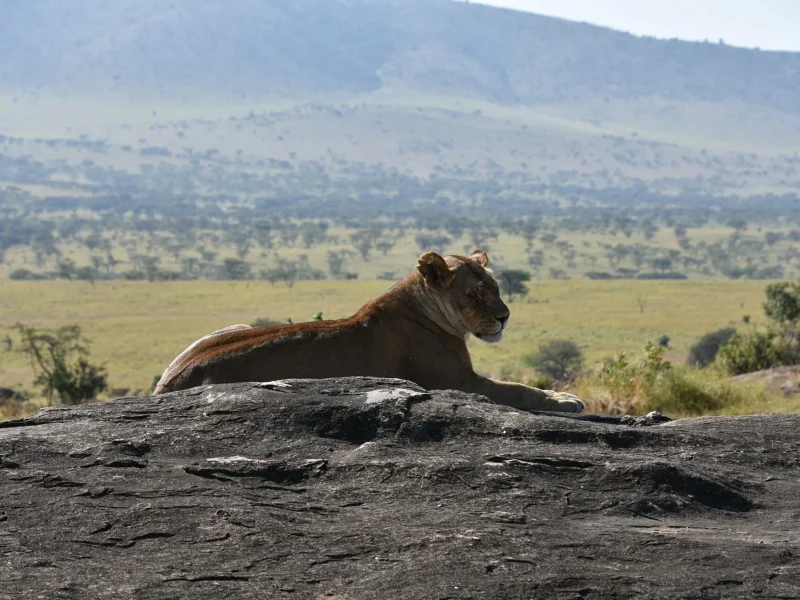
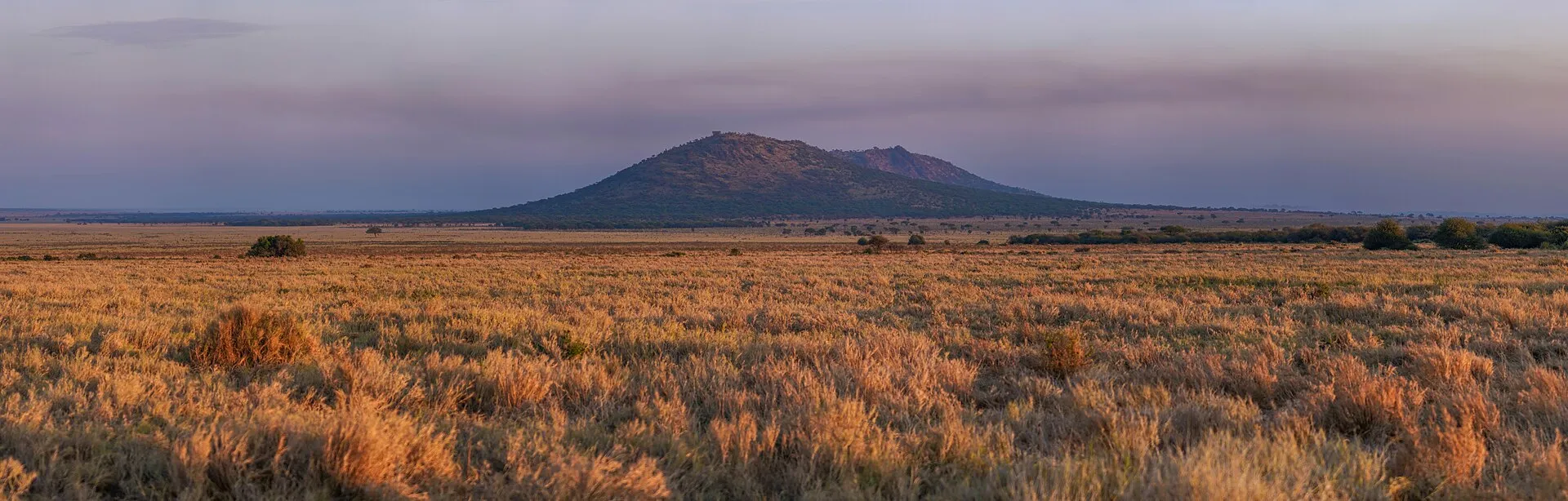
The Seronera valley in the centre of the park has permanent water and resident wildlife, so it is excellent all year. It is one of the best places in Africa to see leopards in sausage trees along the river, and lions on the kopjes. Read big cats of the central Serengeti.
Hot-air balloon safaris
A hot-air balloon over the Serengeti floats over the plains at sunrise, followed by a bush breakfast. Flights operate from Seronera all year and from the south and north in the migration seasons.
Birds
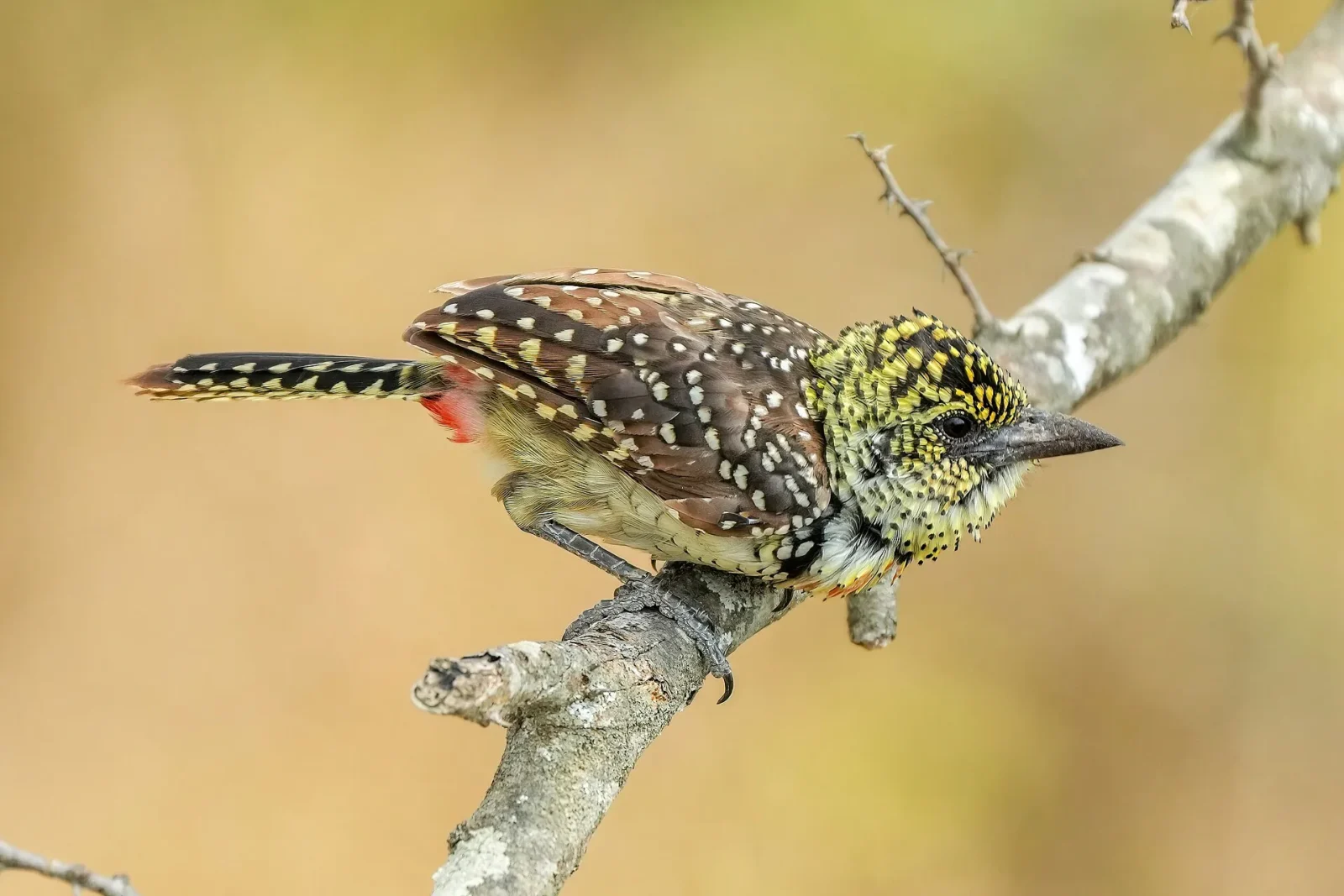
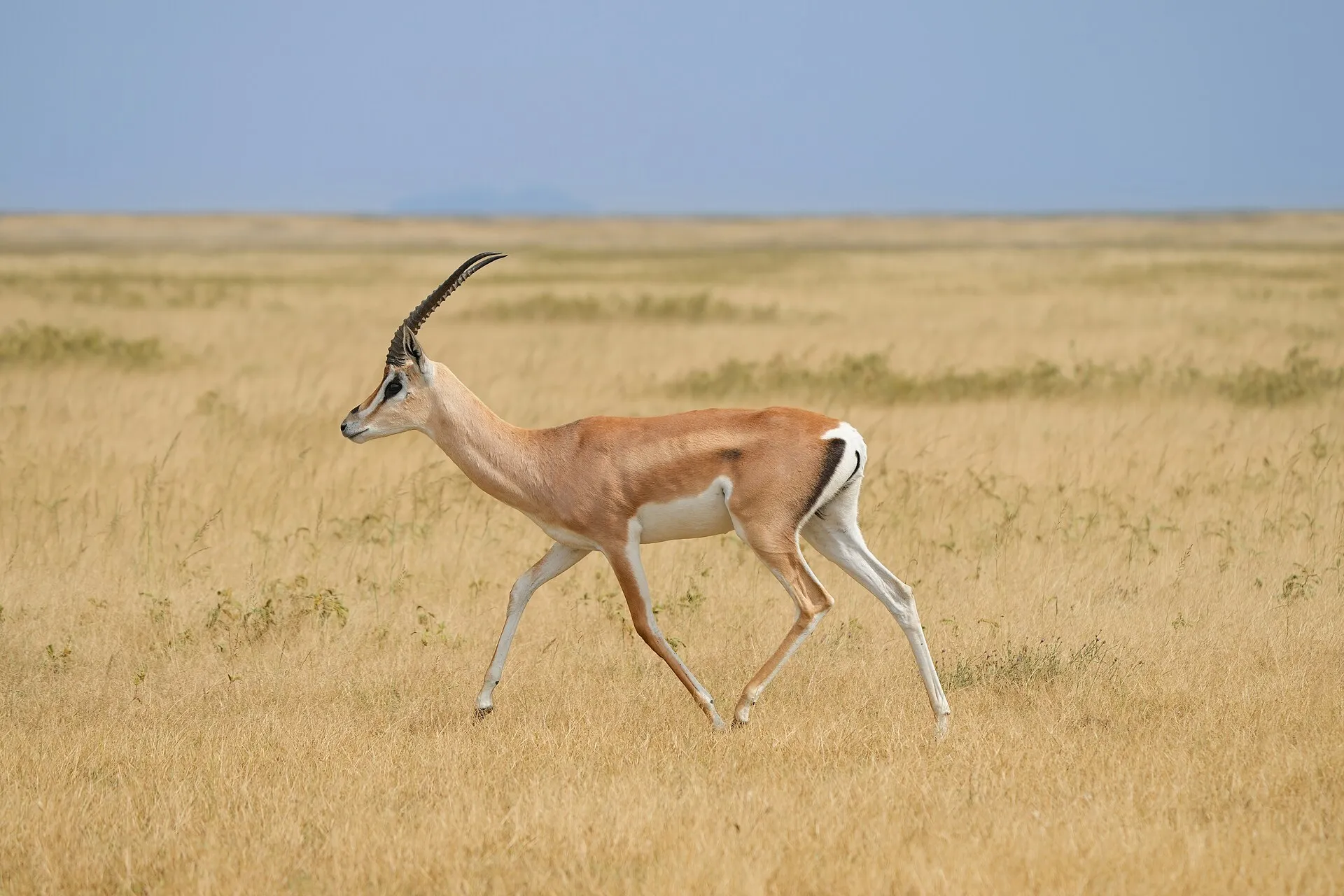
Over 500 species have been recorded, including secretary birds, kori bustards, ostriches and many birds of prey.
Where to stay
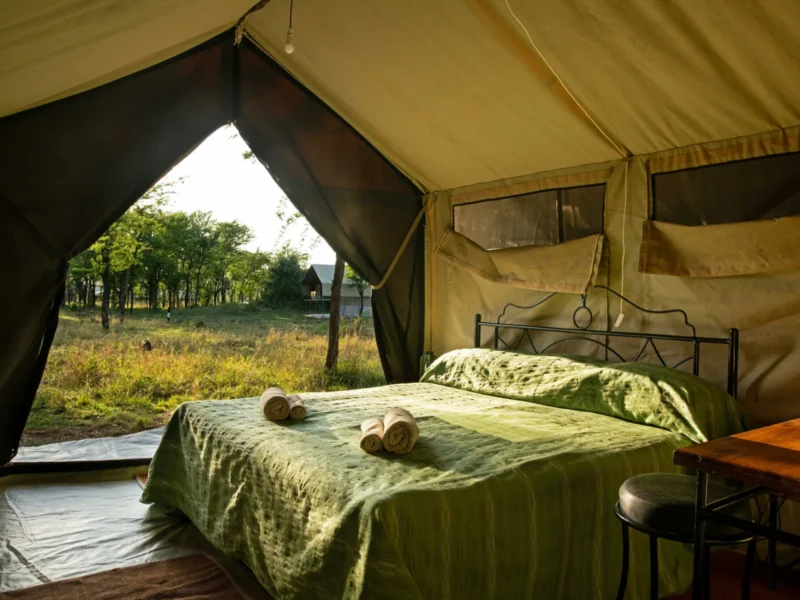
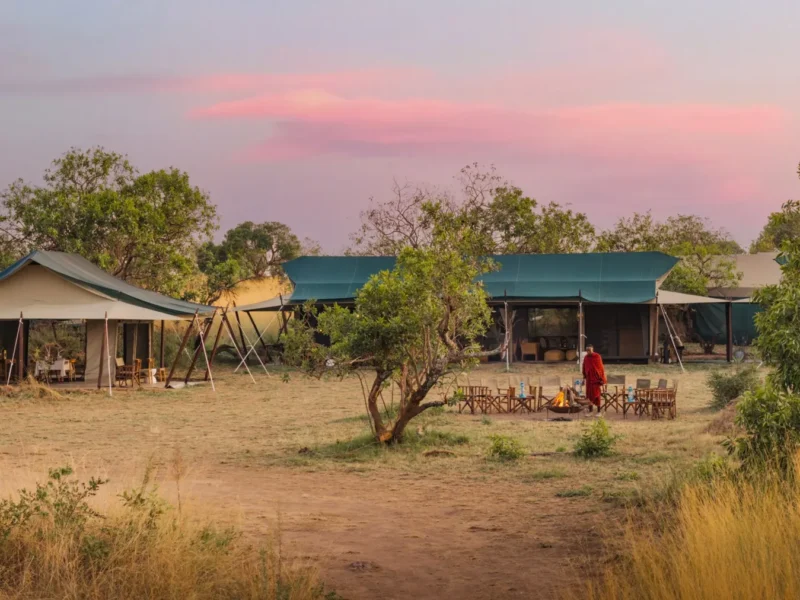
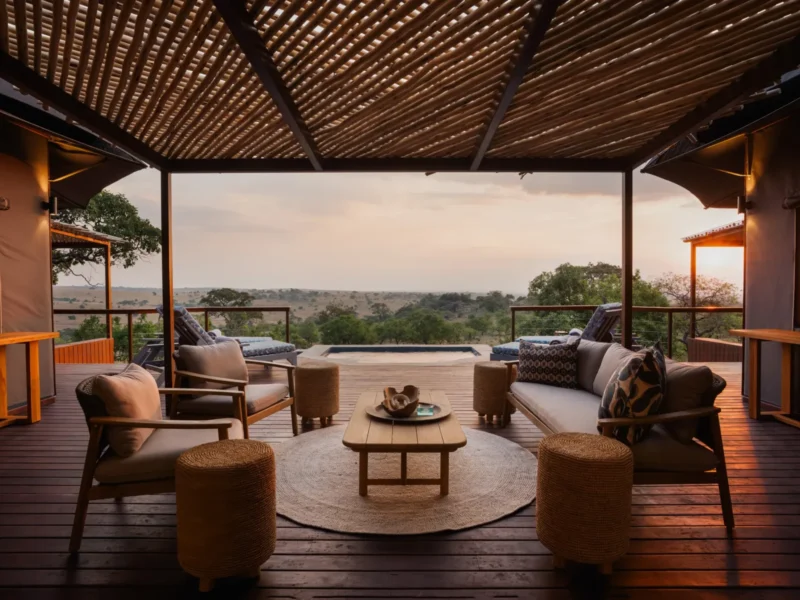
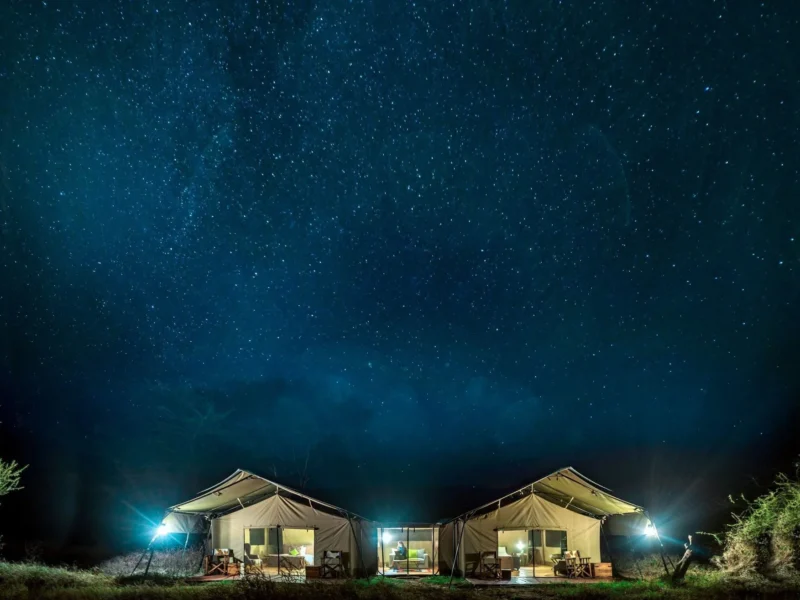
Choose your camp based on the season and the migration. Permanent lodges and camps are concentrated around Seronera, which is good all year. Mobile tented camps move with the herds, to Ndutu for calving (January to March) and to the far north around Kogatende for the river crossings (July to October). The western corridor near the Grumeti River is quieter and best from May to July.
Game-drive tips
- In calving season, follow the herds on the short-grass plains and look for cheetahs and lions hunting the young.
- In the north, wait patiently at a crossing point; herds can gather for hours before crossing.
- Around Seronera, scan the sausage and acacia trees along the rivers for leopards in the late afternoon.
The Northern Circuit route
A classic route starts in Arusha, visits Tarangire, continues to the Ngorongoro Crater, then drives across the Ngorongoro highlands to the Serengeti. Flying out from a Serengeti airstrip avoids the long drive back.
Planning your visit
Most visitors combine the Serengeti with the Ngorongoro Crater and Tarangire. Our 7-day Tanzania Northern Circuit safari covers all three, and the 10-day Serengeti safari and Zanzibar beach adds time by the sea. For an overview of the country, see our Tanzania guide.