East Africa offers some of the world’s best active adventures: climbing Kilimanjaro (5,895 m), trekking the Rwenzori Mountains, hiking the Virunga volcanoes, gorilla and chimp treks, white-water rafting on the Nile at Jinja, cycling the Congo Nile Trail and walking or horseback safaris at Lake Mburo. Most need good fitness rather than technical skills.
Key takeaways
- Kilimanjaro is the highest peak in Africa at 5,895 m.
- The Rwenzoris offer challenging multi-day treks.
- Volcano hikes in Mgahinga and Volcanoes NP combine views and history.
- Nile rafting at Jinja runs grade 3–5 rapids.
- Walking and horseback safaris get you out of the vehicle.
If you would rather be on your feet than in a vehicle, East Africa has adventures to match. From the summit of Africa’s highest mountain to the rapids of the Nile, active travellers can build a trip around challenge, exploration and wildlife on foot.
Mountain climbs and treks
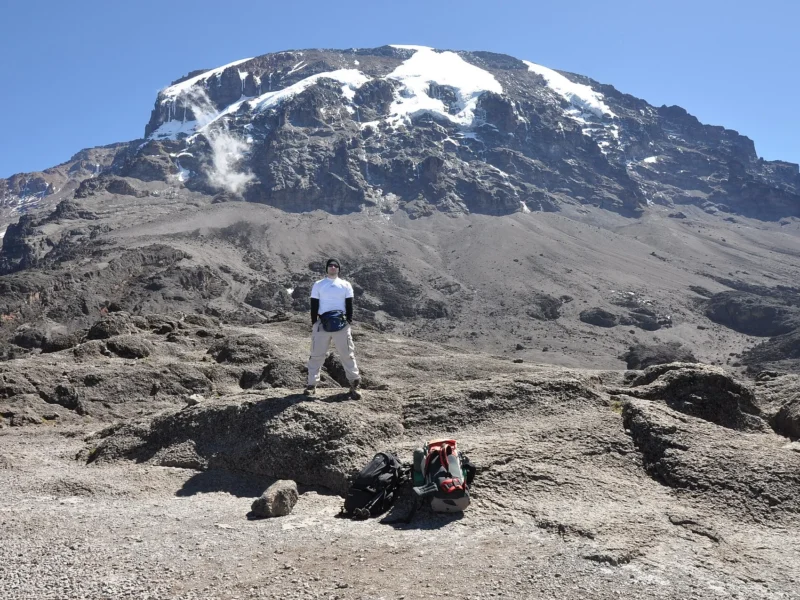
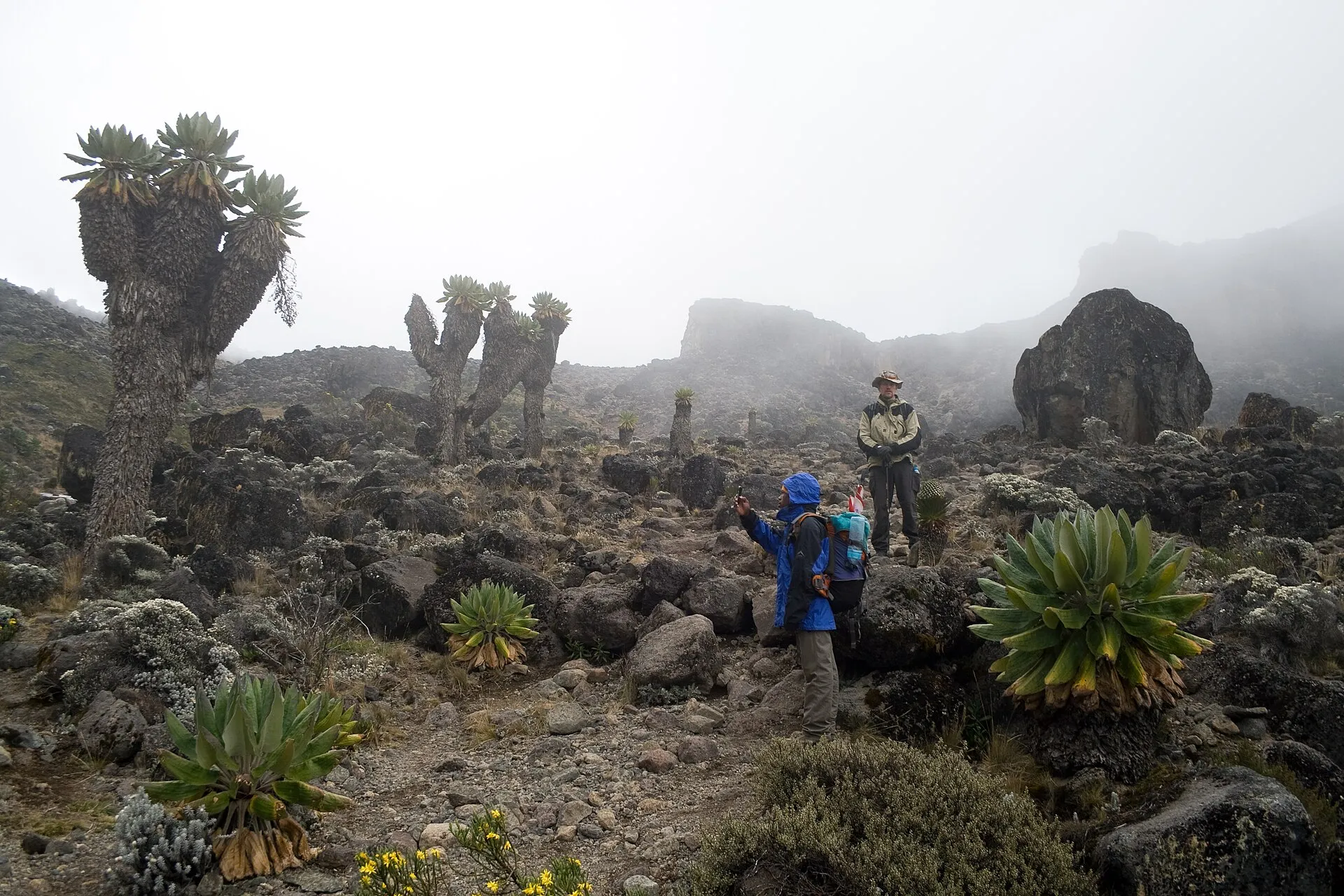
- Climbing Kilimanjaro: reach Uhuru Peak at 5,895 m on the scenic 7-day Machame route or the hut-based 6-day Marangu route.
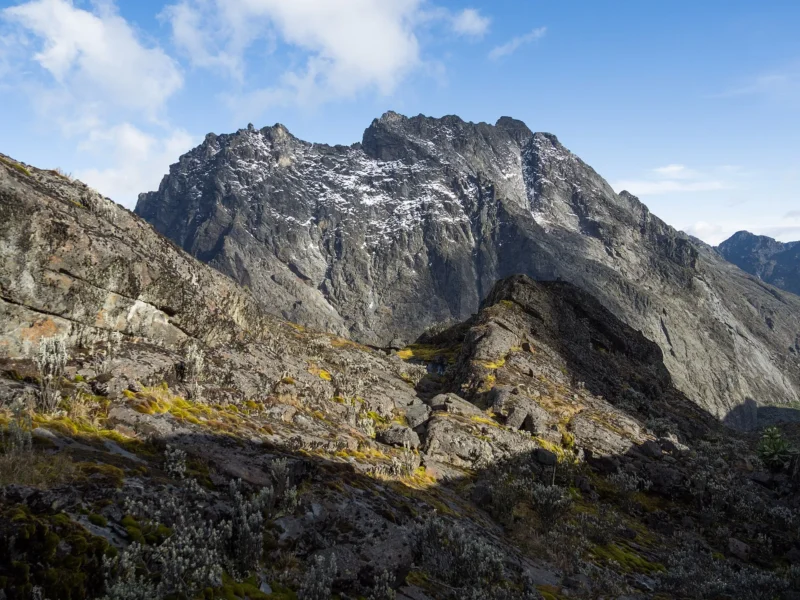
- The Rwenzori Mountains: glaciers on the equator, giant lobelias and some of Africa’s toughest trekking. See the 6-day Rwenzori trek.
- Volcano hikes: Mount Bisoke and Dian Fossey’s grave in Rwanda, and Muhabura, Gahinga and Sabyinyo in Mgahinga.
Primate treks
Gorilla trekking in Bwindi and Volcanoes, chimp tracking in Kibale and Nyungwe, and golden monkey tracking in the Virungas all involve hours of walking in steep forest. The gorilla habituation experience is the most demanding and rewarding.
On the water
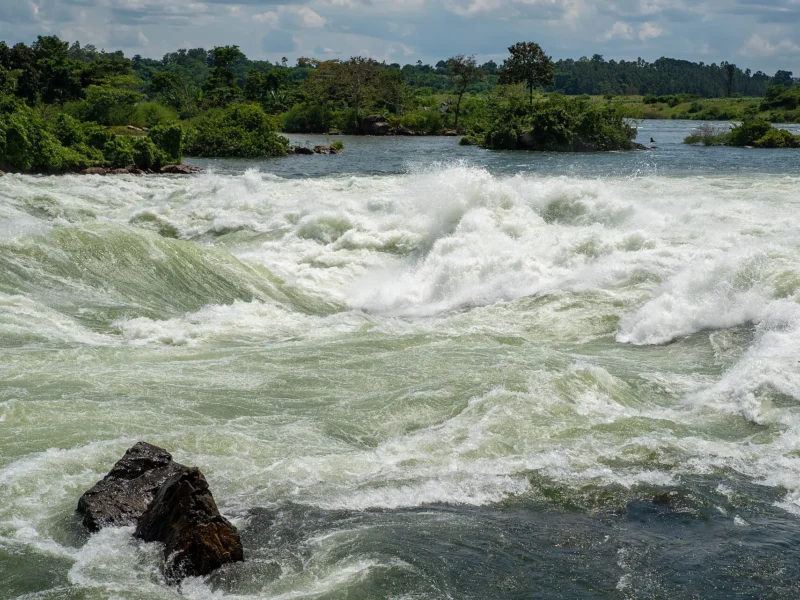
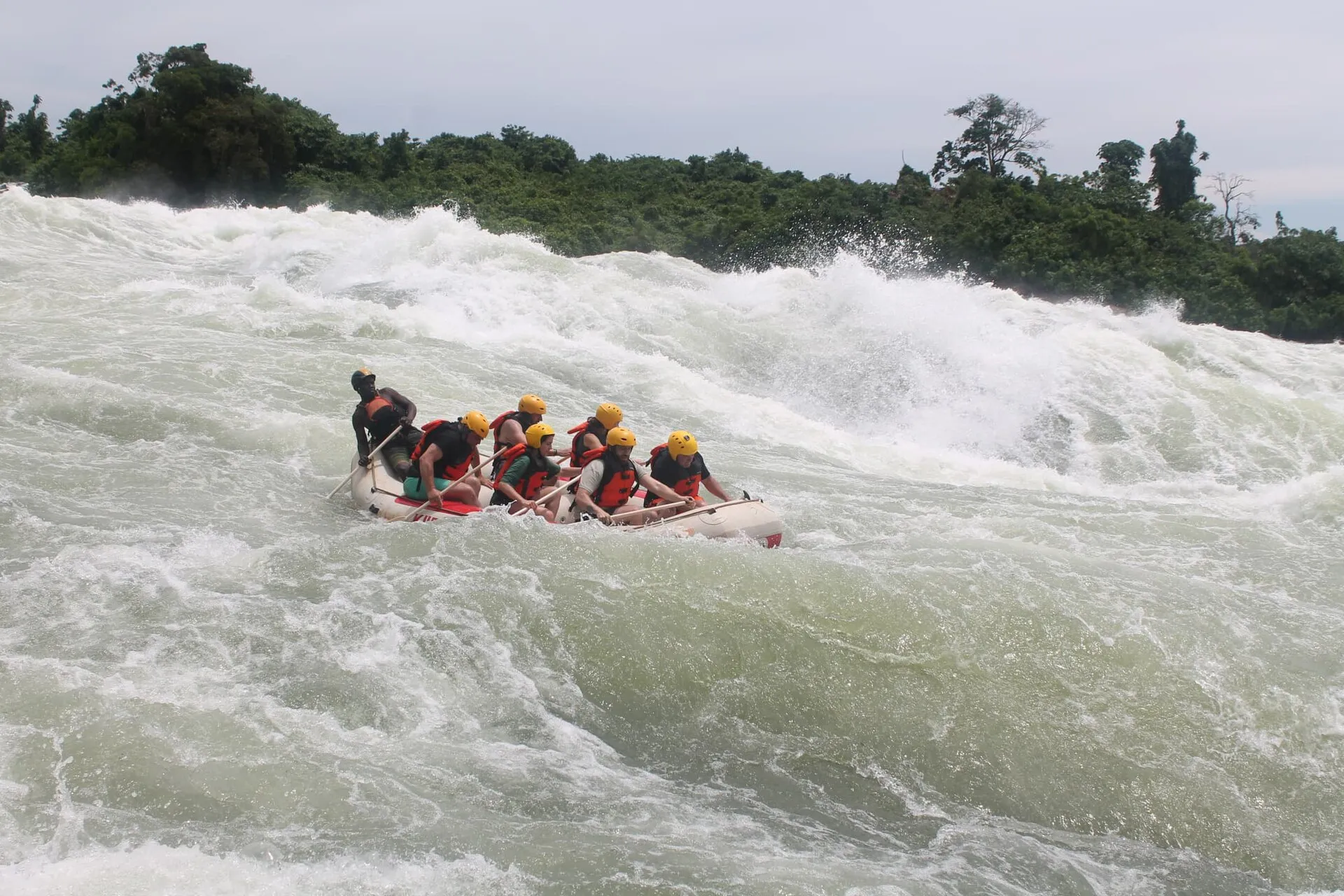
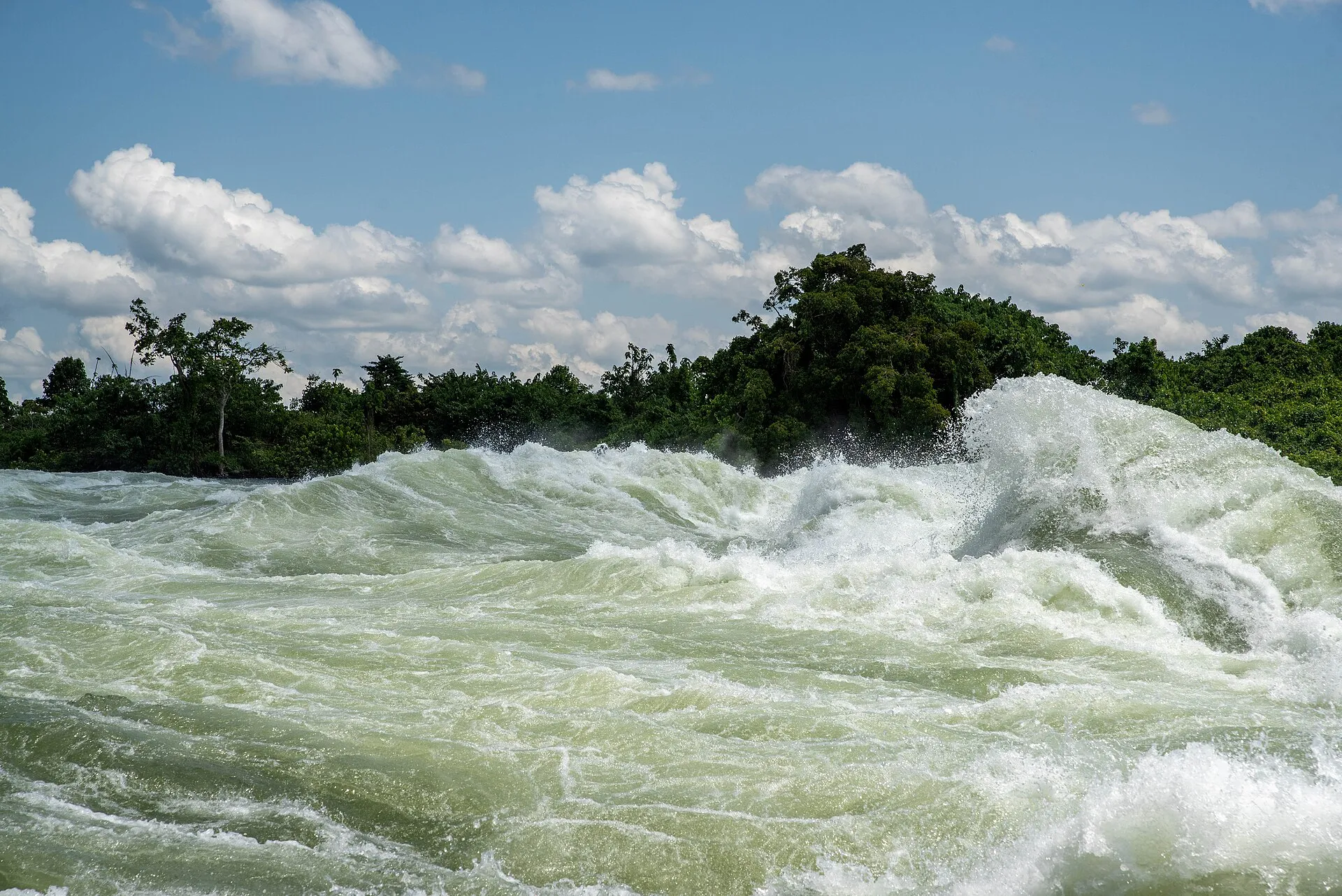
- White-water rafting on the Nile at Jinja, with grade 3–5 rapids.
- Kayaking on the Nile and on Lake Kivu.
- Canoeing on Lake Bunyonyi.
Wildlife on foot, bike and horseback
- Walking safaris at Lake Mburo and in Kenya’s conservancies.
- Horseback safaris among zebra at Lake Mburo.
- Cycling at Hell’s Gate in Kenya and on the Congo Nile Trail along Lake Kivu.
Build in a rest day after a big climb or trek. A day at Lake Bunyonyi, Lake Kivu or Zanzibar lets your body recover and gives you time to enjoy what you have achieved.
Fitness and preparation
Most adventures need good general fitness rather than technical skills. Train with long walks and hill hikes, carrying a day pack, for several months before a climb or trek. Break in your boots, and talk to your doctor about altitude if you plan to climb Kilimanjaro or the Rwenzoris.
Combining adventure and safari
Active trips combine naturally with classic safaris: climb Kilimanjaro and then explore the Serengeti, or raft the Nile and then trek gorillas in Bwindi. We design itineraries that balance challenge, wildlife and rest.
Adventure calendar
| Activity | Best months |
|---|---|
| Kilimanjaro | January to mid-March, June to October |
| Rwenzori Mountains | December to February, June to August |
| Nile rafting | Year-round |
| Gorilla and chimp treks | Year-round; drier months are easier |
| Walking safaris | Dry seasons |
What to pack for active trips
- Broken-in hiking boots and lightweight trekking shoes.
- Quick-drying clothing in layers, and a good waterproof jacket.
- A comfortable 25–35 litre day pack, water bottles and a headlamp.
- Gloves for gorilla treks and volcano hikes.
Why East Africa for adventure
Few regions combine so many adventures so closely: Africa’s highest mountain, glaciers on the equator, the source of the Nile and volcanoes with gorillas on their slopes. Distances between them are short enough to combine two or three in a single trip, with wildlife safaris in between.
Frequently asked questions
Do I need climbing experience for Kilimanjaro?
No technical experience is needed, but good fitness and determination are essential, especially for summit night.
Which is harder, Kilimanjaro or the Rwenzoris?
The Rwenzoris are generally harder underfoot, with mud, bogs and steep terrain, while Kilimanjaro is higher. Both are demanding.
Can beginners go white-water rafting?
Yes. No experience is needed, and operators offer family floats on calmer sections.
Where can I do a walking safari?
Lake Mburo in Uganda, conservancies around the Masai Mara, Hell’s Gate in Kenya and areas around Tarangire.
How fit do I need to be for gorilla trekking?
Reasonably fit: treks last 1–6 hours on steep, muddy slopes.
Can I combine Kilimanjaro with a safari?
Yes. Most climbers follow their climb with a Northern Circuit safari in Tarangire, the Serengeti and the Ngorongoro Crater, or relax on Zanzibar.
Is travel insurance needed for adventure activities?
Yes. Make sure your policy covers trekking at altitude, rafting and evacuation, especially for Kilimanjaro and the Rwenzoris.
Can I combine several adventures in one trip?
Yes. A popular combination is rafting the Nile at Jinja, trekking gorillas in Bwindi and hiking a volcano in Mgahinga, all in under two weeks.

Written by our Kampala-based planners and guides, who arrange these trips every season. Prices and rules are checked before every quote.