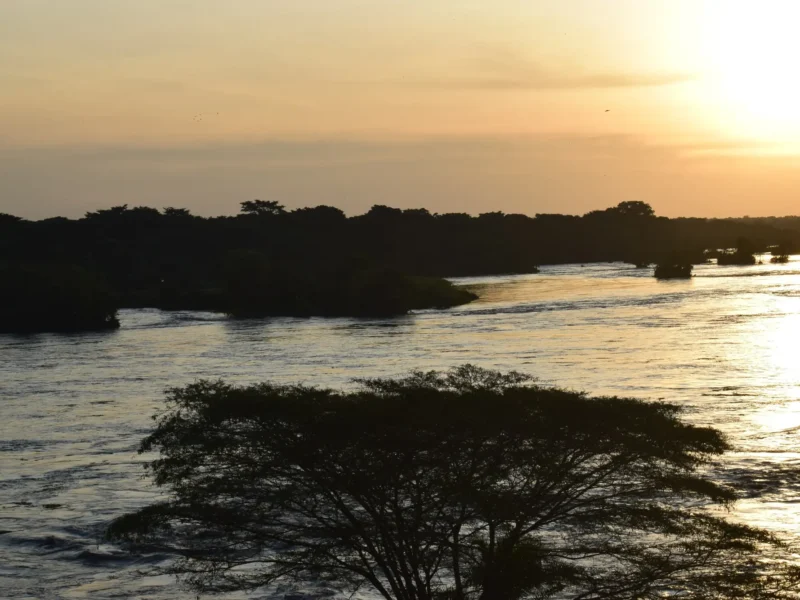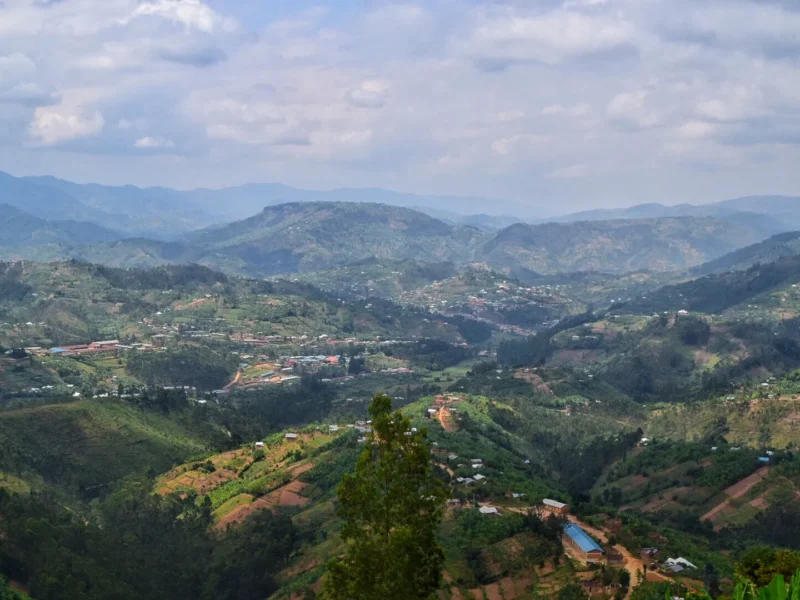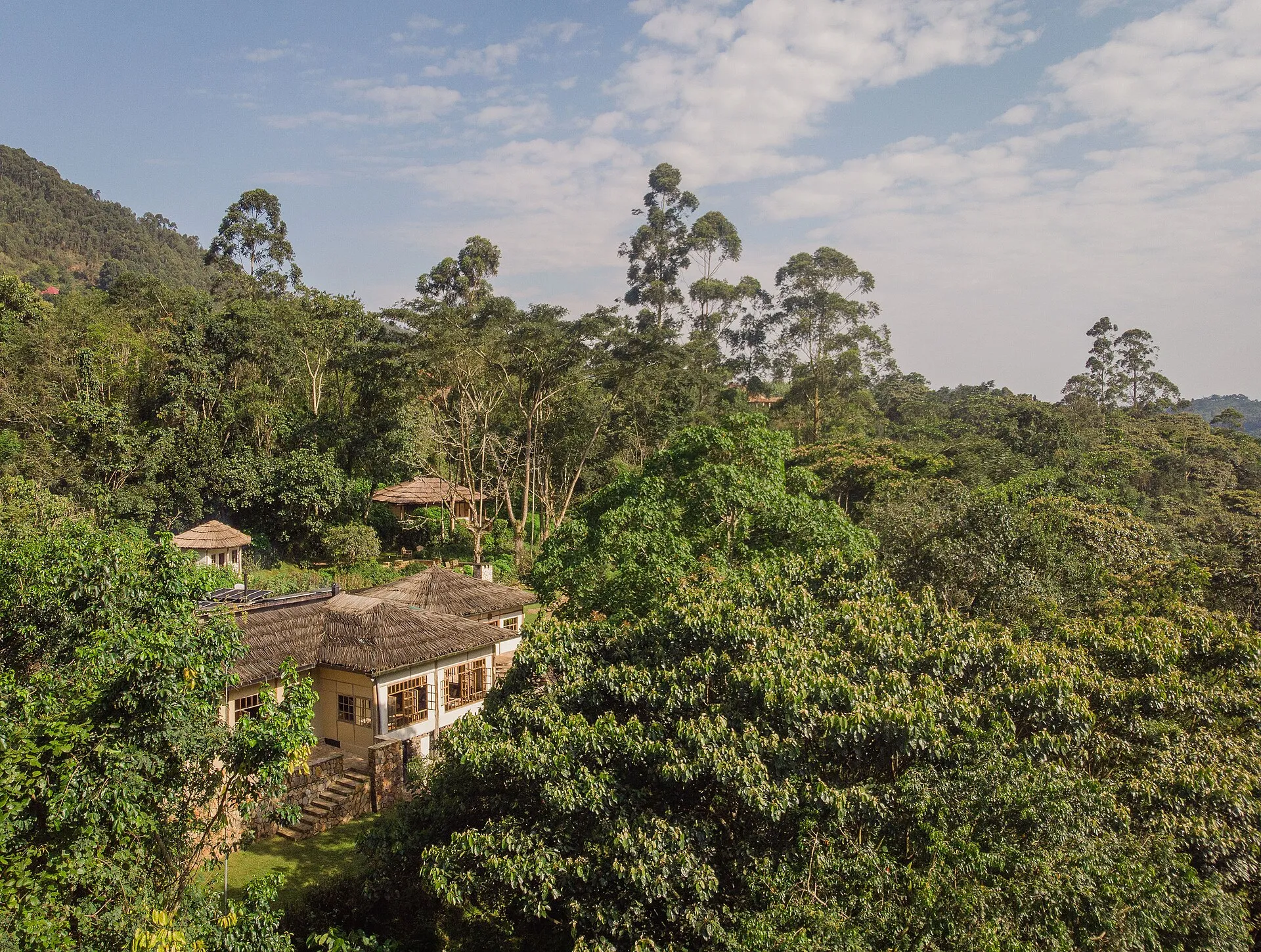
Mixing lodge levels means choosing each night’s stay on its own merits: a simple, comfortable lodge for transit nights and early starts, mid-range where you spend a little more time, and luxury for one or two nights where the lodge itself is part of the experience. Because permits, park fees, the vehicle and the guide cost the same whatever you sleep in, lodges are the main part of a safari price you can control, and a smart mix usually saves far more than it costs you in comfort.
Key takeaways
- Permits, park fees, vehicle and guide cost the same at every lodge level.
- Lodges are the biggest cost you can control.
- Save on arrival nights, transit stops and early-start nights.
- Splurge where the lodge is part of the experience, or on your last night.
- Location matters more than the label: a cheaper lodge in the wrong place can cost you more.
When travellers ask us for a quote, many pick one word for the whole trip: budget, mid-range or luxury. It is an easy way to start, but rarely the best way to spend your money. A safari is a string of very different nights. Some you spend asleep by 9pm before a 6am start; others you spend on a deck watching elephants at the waterhole. Matching each night to the right lodge level is the simplest way to get a better safari for the same budget, or the same safari for less.
Why lodges are where you save
On a gorilla or wildlife safari, several of the largest costs are fixed. A Uganda gorilla permit costs US$800 (US$600 in April, May and November), and a Rwanda permit costs US$1,500, whether you sleep in a simple banda or a luxury suite. Park entry fees, the vehicle, fuel and your driver-guide also cost the same at every level. That leaves accommodation as the biggest part of the price you can shape, and the gap between levels is wide, especially in the gorilla parks. Read gorilla trekking cost: Uganda vs Rwanda and our safari cost guide.
The six lodge levels
Most operators describe lodges as budget, mid-range or luxury, but each of those covers a wide range. Splitting them into upper and lower levels makes planning much more precise.
| Level | What to expect | Examples we use |
|---|---|---|
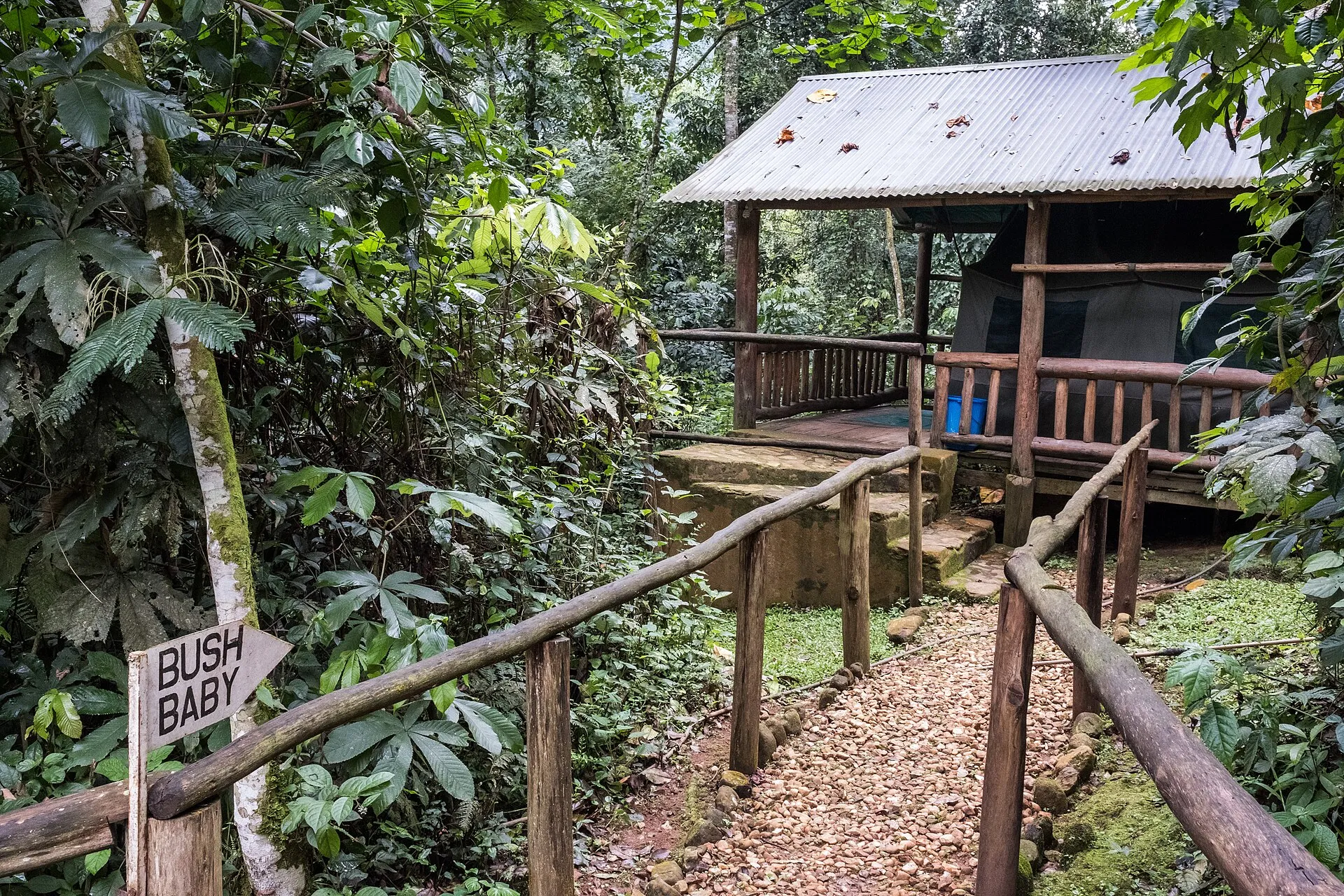
| Lower budget | Simple bandas, rest camps and campsites; some shared bathrooms; basic meals | Red Chilli Rest Camp, Ruboni Community Camp, Mihindi Campsite |
| Upper budget | En-suite rooms or cottages, hot water, good home cooking, friendly small teams | Marafiki Safari Lodge, Isunga Lodge, Gorilla Bluff Lodge, Trekkers Tavern Cottages |
| Lower mid-range | Comfortable cottages or tents, good views, a bar and lounge, reliable hot water | Engagi Lodge, Rushaga Gorilla Camp, Kibale Forest Camp, Rwakobo Rock |
| Upper mid-range | Larger rooms, fine locations, more polish in food and service, sometimes a pool | Agandi Uganda Eco Lodge, Nkuringo Gorilla Lodge, Elephant Plains Lodge, Ruzizi Tented Lodge |
| Lower luxury | Spacious suites or cottages, excellent food, pools and spa treatments at some | Mweya Safari Lodge, Paraa Safari Lodge, Mahogany Springs Lodge, Primate Lodge Kibale |
| Upper luxury | Small, exclusive lodges and camps with outstanding locations, private guiding and very personal service | Clouds Mountain Gorilla Lodge, Bwindi Lodge, Kyambura Gorge Lodge, One&Only Gorilla’s Nest |
These groupings are our own guide to the lodges we book, not an official star rating, and rooms within one lodge can differ. Your planner will tell you exactly what each room offers.
Where to save
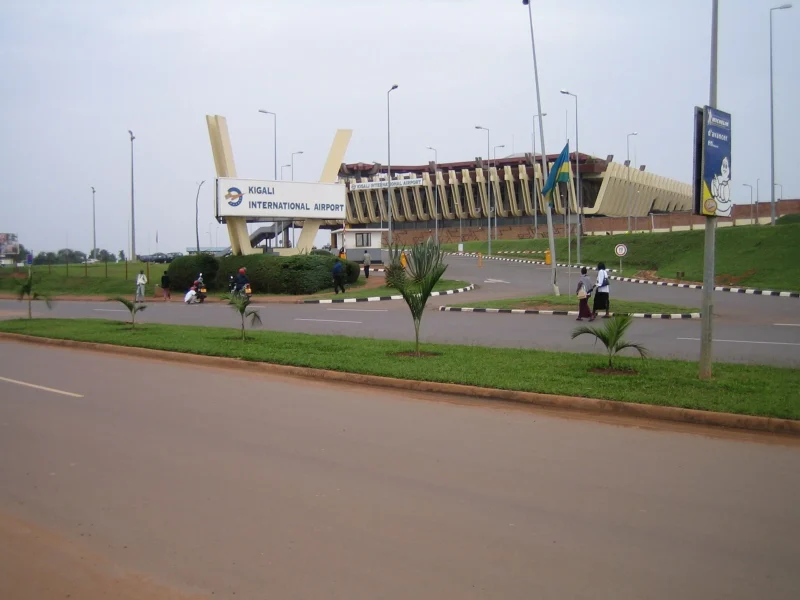
- The arrival night. After a long flight, you need a clean, quiet room, a good shower and an early night near Entebbe or Kigali. A mid-range hotel such as Airport View Hotel does this as well as a grand one.
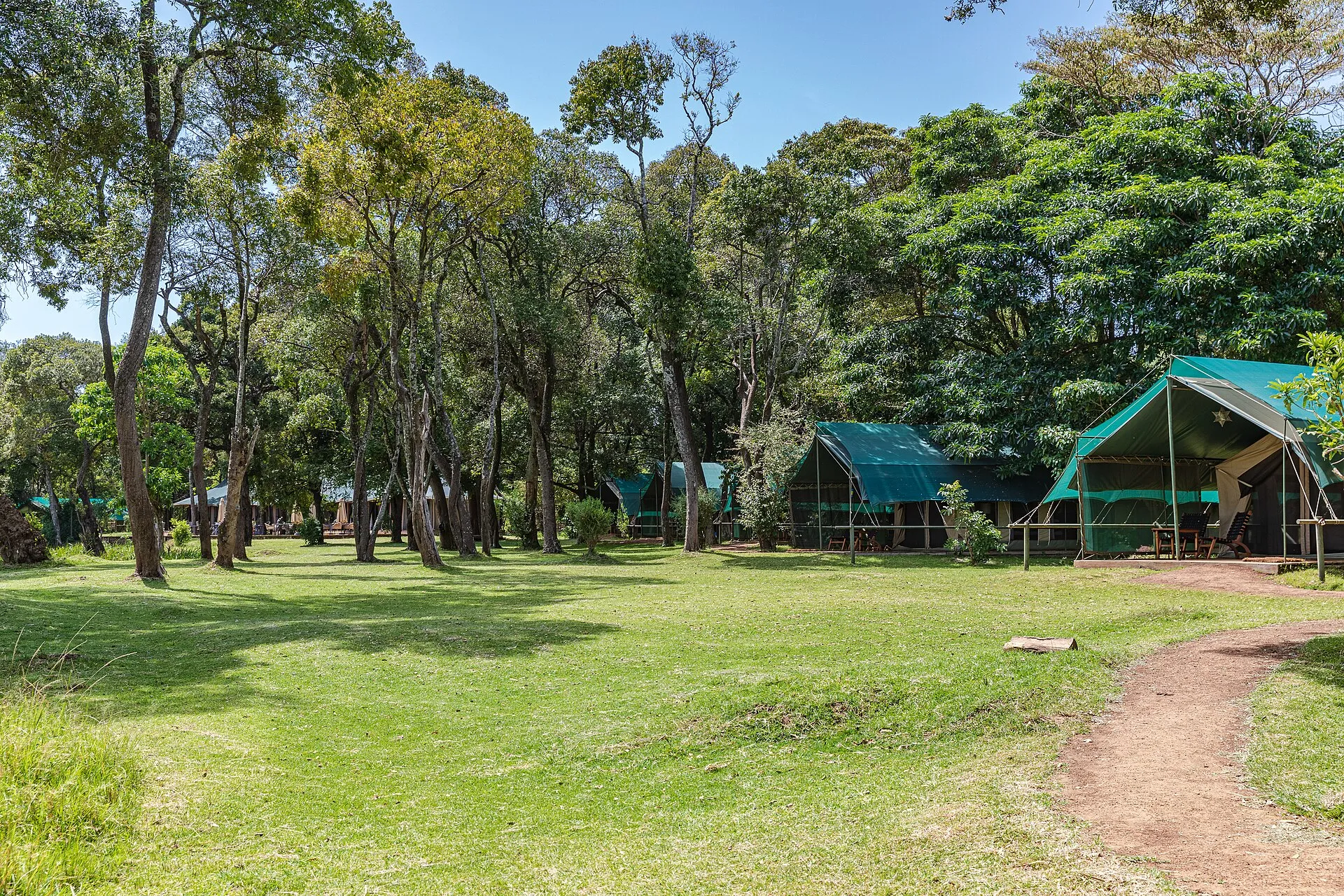
- Stopover nights. A night that breaks a long drive, such as Lake Mburo on the way to Bwindi, is mostly dinner, sleep and breakfast. Choose an upper-budget or lower mid-range lodge with a good location.
- Early-start nights. On chimp tracking or gorilla trekking days, you leave after an early breakfast and often come back tired in the afternoon. You will enjoy a lovely lodge, but you will spend fewer waking hours in it.
- Nights in towns. Fort Portal, Kabale, Kisoro and Musanze have good-value hotels, and the extra polish of a luxury lodge matters less outside the parks.
Where to splurge
- Where the lodge is the experience. Some lodges give you something no cheaper stay can, such as a camp beside a river where elephants drink, a lodge above a gorge with chimps, or a deck in the forest canopy. In Queen Elizabeth, for example, Ishasha Wilderness Camp sits on the Ntungwe River in the lion area of the park.
- Nights with free time. If you have an afternoon or a full day with nothing booked, a lodge with a pool, a view and good food turns rest into a highlight.
- Remote parks. In places with few choices, such as Kidepo Valley, the better lodge may also have the best position. Compare Apoka Safari Lodge with the simpler Apoka Rest Camp.
- The last night. Ending in comfort, with time to repack and reflect, leaves a lasting impression. Many honeymooners save their best lodge for the final stop. See our honeymoon safaris.
Location first, level second
A cheaper lodge in the wrong place can cost you more than you save. In Bwindi, your gorilla permit is for one of four sectors, and a lodge in a different sector can mean several hours of driving before your trek. In Queen Elizabeth, a lodge near the Kasenyi plains puts you among the lions at dawn, while one near Ishasha suits the south of the park. Always choose the area first, then the level. Read Bwindi’s four gorilla sectors compared.
Three sample mixes for an 8-day Uganda safari
These examples follow a classic route: Entebbe, Kibale, Queen Elizabeth, Bwindi and Lake Mburo.
The value mix. Upper-budget and lower mid-range all the way, with one treat. Entebbe at Airport View Hotel, Kibale at Isunga Lodge, Queen Elizabeth at Marafiki Safari Lodge, Bwindi at Engagi Lodge and a final night at Rwakobo Rock above Lake Mburo.
The balanced mix. Mid-range throughout, with luxury where you have the most free time. Kibale at Kibale Forest Camp, two nights in Queen Elizabeth at Mweya Safari Lodge on the Kazinga Channel, Bwindi at Agandi Uganda Eco Lodge in Ruhija and Lake Mburo at Mihingo Lodge.
The splurge-where-it-counts mix. Upper luxury for the gorillas and one wildlife highlight, simpler stays elsewhere. Kibale at Isunga Lodge, Queen Elizabeth at Kyambura Gorge Lodge, Bwindi at Clouds Mountain Gorilla Lodge for Nkuringo permits, and an upper-budget lodge for the transit night.
The guide, vehicle, permits and wildlife are identical in all three. Only the nights change. See our 7-day Uganda primates and wildlife safari and 10-day best of Uganda safari for routes you can price at any mix.
The same idea works across East Africa
- Rwanda: save in Kigali with a comfortable mid-range hotel such as Hotel des Mille Collines, and keep the splurge for Volcanoes National Park, where the trek is the reason for the trip. See our 8-day Rwanda forests, lakes and savannah.
- Tanzania: many travellers choose mid-range lodges for Tarangire and the Ngorongoro rim, then a luxury tented camp in the Serengeti, where they spend the most time on game drives. Read how much does a Tanzania safari cost.
- Kenya: the Masai Mara is the natural place to spend more, especially in migration season, with simpler stays at Lake Naivasha or Nakuru. Read how much does a Kenya safari cost.
More ways to stretch your budget
- Travel in the low season. In April, May and November, Uganda’s gorilla permit drops to US$600, and many lodges offer lower rates. Read Uganda’s 2026 low-season gorilla permits explained.
- Stay longer in fewer places. Two nights in one lodge mean less driving and a free afternoon, often a better use of money than a more expensive room.
- Ask about family rooms and triples. Families and friends sharing can bring the cost per person down a lot. See our family safaris.
- Check single supplements. They vary widely, so solo travellers gain most from a good mix. See safaris for solo travellers.
How we build your mix
Tell us your total budget, your travel dates and the two or three experiences that matter most to you. We secure the permits first, then suggest lodges night by night, explaining where an upgrade is worth it and where a simpler stay will feel just as good. You can move any night up or down a level before you book. Read how to book or start planning your safari.
Frequently asked questions
Is it worth mixing lodge levels on a safari?
Yes, for most travellers. You get the same wildlife, guide and vehicle, sleep comfortably every night and keep the money for the one or two stays that really matter to you.
Where should I spend more on a safari?
Where the lodge adds to the experience: a camp with its own wildlife or views, a remote park where there are few choices, or the final night, when you want to rest before flying home.
Where can I save money on lodges?
On the arrival night near the airport, on stopover nights that break a long drive, and on nights when you leave before dawn and return tired, such as chimp tracking days.
Will a budget lodge feel too basic?
Not if you choose well. Upper-budget lodges have private bathrooms, hot water, good food and friendly staff. Ask your planner which rooms are en-suite and how hot water and power work.
Does mixing lodges change the guide or vehicle?
No. Your driver-guide and vehicle stay with you for the whole safari, whatever level you sleep in each night.
Can solo travellers save by mixing lodges?
Yes. Single supplements vary a lot between lodges, so mixing in good-value stays can lower the cost of travelling alone noticeably.

Written by our Kampala-based planners and guides, who arrange these trips every season. Prices and rules are checked before every quote.